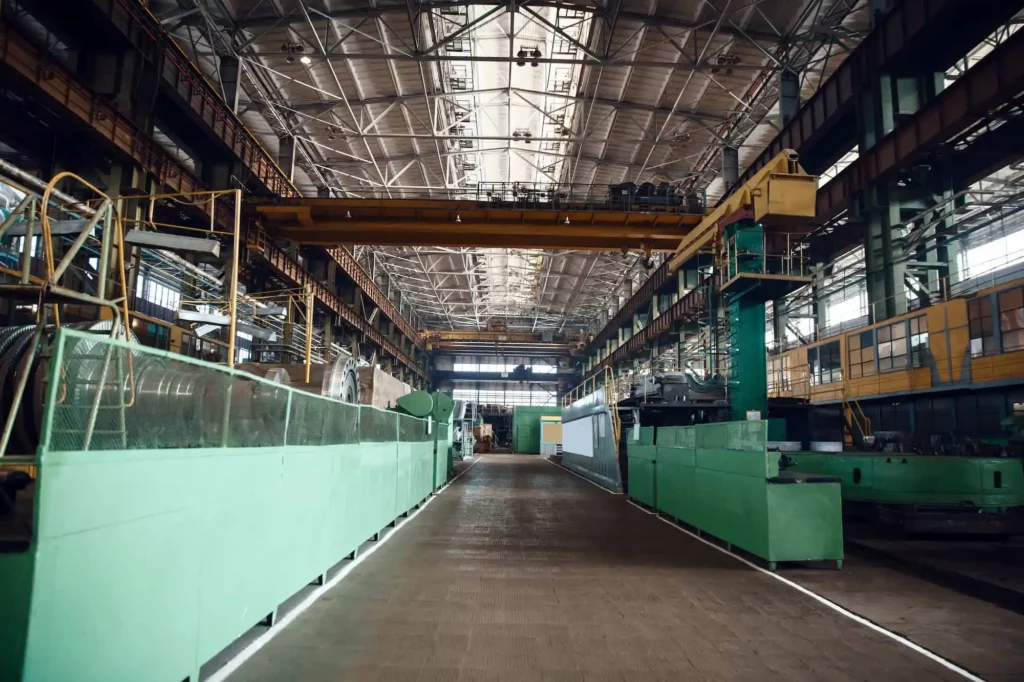
Property valuation is not a one-size-fits-all service. A warehouse in Dubai Industrial City is assessed very differently from an office tower in Business Bay or a retail unit in Downtown Dubai. Yet many property owners, investors, and business leaders often wonder: What exactly is the difference between industrial valuation and commercial valuation?
Understanding the distinction matters because the valuation method used can directly influence financing decisions, investment strategies, insurance coverage, accounting requirements, and future asset planning.
At Western VAS, our RICS-qualified valuers regularly conduct valuations of both industrial and commercial properties across Dubai and the UAE. While both services aim to determine market value, the factors that influence that value can differ significantly.
What Is Industrial Valuation?
Industrial valuation is the process of determining the market value of industrial assets, such as:
- Factories
- Manufacturing facilities
- Warehouses
- Logistics centres
- Distribution hubs
- Industrial land
- Production plants
- Storage facilities
Industrial properties are designed for operational use rather than public-facing business activities. Their value is often tied to functionality, location within industrial zones, infrastructure, access to transport networks, and the property’s ability to support industrial operations.
At Western VAS, industrial valuations are conducted in full compliance with RICS and international valuation standards, ensuring reports are suitable for banks, auditors, investors, and corporate stakeholders.
What Is Commercial Valuation?

Commercial valuation focuses on income-generating business properties. These typically include:
- Office buildings
- Retail shops
- Shopping centres
- Mixed-use developments
- Business parks
- Medical centres
- Educational facilities
- Commercial towers
The primary objective of commercial valuation is to determine a property’s value based on market demand, rental income, occupancy rates, and investment potential.
Commercial properties are often evaluated from an investor’s perspective, with strong emphasis placed on future income streams and market performance.
What Is the Main Difference Between Industrial and Commercial Valuation?
The biggest difference lies in how value is created.
For industrial properties, value is largely influenced by operational utility. Factors such as loading facilities, ceiling heights, floor load capacity, transportation access, manufacturing suitability, and industrial zoning play a major role.
For commercial properties, value is often driven by rental income, tenant quality, occupancy levels, foot traffic, visibility, and investment returns.
In simple terms:
- Industrial valuation focuses on operational efficiency and industrial use.
- Commercial valuation focuses on business income and investment performance.
What Factors Are Considered in Industrial Valuation?
Industrial properties require specialised analysis because every facility serves a different operational purpose.
Some of the factors Western VAS evaluates include:
Location and Accessibility
Properties located near ports, airports, major highways, and logistics corridors often command higher values due to operational advantages.
Building Specifications
Industrial facilities are assessed based on:
- Warehouse height
- Floor strength
- Loading bays
- Yard space
- Power capacity
- Production areas
Land Use and Zoning
Industrial zoning restrictions can significantly impact value. The property’s permitted use must align with current regulations and future development plans.
Market Demand
Supply and demand in Dubai’s industrial property market are carefully reviewed. High-demand industrial zones generally support stronger valuations.
Property Condition
Building age, maintenance standards, infrastructure quality, and operational readiness all contribute to value.
What Factors Are Considered in Commercial Valuation?
Commercial valuations focus more heavily on income-producing potential.
Key considerations include:
Rental Income
Current and projected rental earnings are critical indicators of value.
Occupancy Levels
Properties with strong occupancy rates typically achieve higher valuations.
Tenant Profile
A building occupied by reputable long-term tenants often attracts greater investor confidence.
Market Conditions
Commercial property values respond closely to market trends, economic conditions, and investor sentiment.
Investment Yield
Valuers examine expected returns relative to market benchmarks and competing investment opportunities.
When Do You Need an Industrial Valuation?
Industrial valuation may be required for:
- Bank financing
- Mortgage applications
- Asset acquisition
- Industrial property sales
- Insurance assessments
- Financial reporting
- Corporate restructuring
- Mergers and acquisitions
- Tax planning
- Internal asset management
Businesses often rely on accurate industrial valuations when making strategic decisions involving manufacturing facilities, warehouses, and logistics assets.
When Do You Need a Commercial Valuation?
Commercial valuation is commonly required for:
- Property purchases and sales
- Investment analysis
- Refinancing
- Lease negotiations
- Financial statements
- Portfolio management
- Dispute resolution
- Corporate transactions
- Insurance purposes
Investors use commercial valuation reports to assess risk, identify opportunities, and support acquisition decisions.
Why Plant and Machinery Valuation Often Matters in Industrial Valuation
One important distinction between industrial and commercial assets is the presence of specialised equipment.
Industrial facilities often contain:
- Manufacturing machinery
- Processing equipment
- Production lines
- Industrial systems
- Material handling equipment
In many cases, these assets require separate plant and machinery valuation alongside the real estate valuation.
Western VAS provides both industrial real estate valuation and plant and machinery valuation services, offering clients a complete picture of total asset value.
Why Professional Valuation Matters
 Whether the asset is industrial or commercial, an inaccurate valuation can lead to costly mistakes.
Overvaluation may result in unrealistic expectations, financing challenges, or investment losses.
Undervaluation can lead to missed opportunities, inadequate insurance coverage, or poor financial decisions.
A professionally prepared valuation provides confidence that decisions are based on reliable, independent market analysis.
Why Choose Western VAS?
Choosing the right valuation partner is just as important as choosing the right valuation method.
Western VAS has established itself as a trusted valuation and advisory firm across Dubai and the UAE through:
RICS-Qualified Professionals
Our valuations are conducted by experienced professionals who adhere to internationally recognised standards.
More Than 14 Years of Experience
We have extensive experience across industrial, commercial, residential, hospitality, and specialised asset classes.
Over AED 70 Billion in Assets Valued
Our track record demonstrates the scale and depth of our valuation expertise.
Independent and Objective Reporting
We provide clear, unbiased valuation reports trusted by banks, auditors, investors, and corporate clients.
Deep Understanding of Dubai’s Property Market
Our local market knowledge ensures valuations reflect current market conditions and asset performance.
Conclusion
While industrial and commercial valuation both aim to determine property value, the methodologies, drivers of value, and intended uses are often very different.
Industrial valuation focuses on operational functionality, infrastructure, and industrial use. Commercial valuation focuses on income generation, tenant performance, and investment returns.
Understanding these differences helps property owners, investors, lenders, and businesses make more informed decisions.
Whether you need a valuation for a warehouse, factory, logistics facility, office building, retail property, or investment portfolio, Western VAS provides accurate, independent, and RICS-compliant valuation services across Dubai and the UAE.
Contact Western VAS today to discuss your valuation requirements and receive professional guidance from experienced valuation specialists.
Frequently Asked Questions
Is industrial property considered commercial property?
Industrial property falls within the broader commercial real estate sector, but it requires specialised valuation methods because industrial assets operate differently from offices and retail properties.
Which valuation method is used for industrial properties?
Industrial properties may be valued using the cost approach, market approach, income approach, or a combination of methods, depending on the asset type and purpose of valuation.
Do banks accept industrial valuation reports?
Yes. Banks commonly accept valuation reports prepared by qualified and recognised valuation firms that comply with RICS and international standards.
What affects industrial property value the most?
Location, accessibility, zoning, building specifications, infrastructure, market demand, and operational suitability are among the most important factors.
How long does an industrial valuation take?
The timeline depends on property size, complexity, and the availability of information. A professional valuation firm can provide an estimated timeframe after reviewing the property details.
Can Western VAS value both industrial and commercial properties?
Yes. Western VAS provides professional valuation services for industrial, commercial, residential, hospitality, land, and specialised assets throughout Dubai and the UAE.