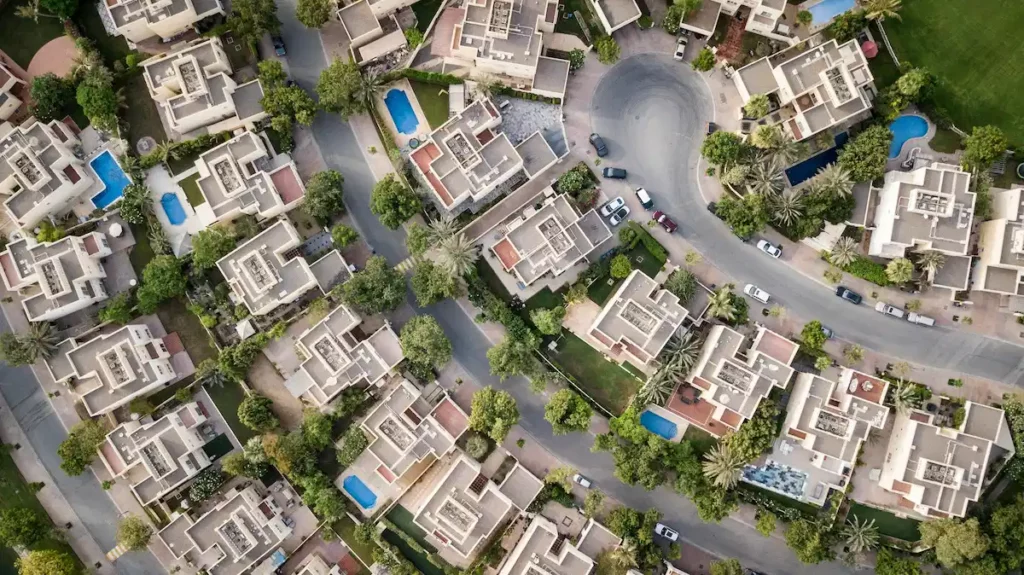
When it comes to navigating the vibrant real estate landscape of the UAE, understanding property valuation is crucial for buyers, sellers, and investors alike. But have you ever paused to consider what goes into determining that all-important price tag? From towering skyscrapers in Dubai to tranquil villas in Abu Dhabi, every property has its own story—and a unique cost associated with its valuation. In this comprehensive breakdown, we’ll demystify the various factors influencing property appraisal expenses across the Emirates. Whether you’re looking to make an informed investment or simply curious about how valuations work in this dynamic market, we’ve got you covered! Dive in as we unpack everything from service fees and expert qualifications to regional variations and hidden costs that could impact your property’s worth. Get ready to become a savvy player in the UAE’s real estate arena!
Introduction: Explaining the importance of property valuation in UAE and why it’s necessary to understand the costs associated with it.
Navigating the dynamic real estate landscape of the UAE can be a thrilling yet challenging experience. Whether you’re looking to buy, sell, or invest in property, understanding the costs associated with property valuation is crucial. Property valuation isn’t just a formality; it’s an essential step that influences your financial decisions and impacts your investment strategy. With fluctuating market conditions and diverse property types, knowing what to expect when it comes to costs will empower you as a buyer or seller. Let’s dive deeper into the nuances of property valuation in the UAE and uncover why grasping these expenses is vital for making informed choices in this vibrant market.
What is Property Valuation: Defining property valuation and its role in the real estate market.
Property valuation is the process of determining the worth of a property, often conducted by professional valuers. This assessment plays a crucial role in various real estate transactions, from buying and selling to leasing and financing.
In essence, property valuation provides an objective estimate based on comprehensive analysis. Factors like location, condition, and market trends are considered during this evaluation.
For buyers and sellers alike, understanding a property’s value aids in making informed decisions. Investors rely on accurate valuations to assess potential returns or risks associated with their investments.
The real estate market thrives on transparency and trust; thus, reliable property valuations enhance confidence among stakeholders. They ensure fair pricing while preventing disputes that may arise during negotiations.
Types of Property Valuation Reports: Explaining the difference between free and not free evaluation reports and their respective benefits.
When it comes to property valuation reports, there are generally two types: free and paid. Each serves a unique purpose in the real estate landscape.
Free evaluation reports often come from online tools or initial assessments by agents. They provide a quick overview of market trends but may lack depth. Ideal for casual inquiries, these reports can give you a rough estimate without any financial commitment.
On the other hand, not free valuation reports offer more detailed insights. Conducted by certified professionals, they consider various factors like location and property condition. These comprehensive evaluations are essential for serious buyers or sellers looking for accurate appraisals.
Choosing between them depends on your needs. If you’re exploring possibilities casually, a free report might suffice. However, if you’re making significant financial decisions regarding an apartment purchase or sale, investing in a professional assessment is invaluable.
Factors Affecting the Cost of Property Valuation:
Discussing the various factors that can impact the cost of property valuation in UAE, such as location, type of property, and size.
The cost of property valuation in the UAE can vary significantly based on several key factors. Location plays a crucial role. Properties in prime areas or those near major attractions often command higher fees due to increased demand.
Another important aspect is the type of property being evaluated. Residential apartments typically have different valuation criteria compared to commercial spaces, affecting overall costs.
Size also matters—larger properties usually require more detailed assessments, which can elevate expenses. A sprawling villa will take longer and involve more data collection than a compact apartment.
Market conditions can influence pricing as well. In fluctuating markets, appraisers may adjust their rates based on demand for their services or changes in real estate trends.
Lastly, the expertise and reputation of the valuer impact costs too; seasoned professionals may charge premium prices for their insights and experience.
Accredited Valuation Companies in Dubai:
How to identify reputable and accredited valuation companies in Dubai.
When seeking a property valuation, identifying reputable companies in Dubai is crucial. Start by looking for firms accredited by local regulatory bodies like the RICS (Royal Institution of Chartered Surveyors) or the DLD (Dubai Land Department).
Check their credentials and certifications. A trustworthy company will openly display these on their website or marketing materials.
Client reviews are also invaluable. Look for testimonials and ratings on platforms like Google or Trustpilot to gauge customer satisfaction.
Experience matters too; choose companies with a solid track record in the UAE market specifically for apartments.
Lastly, consider requesting quotes from multiple firms to compare not just prices but services offered. This ensures you find a balance between quality and cost, giving you peace of mind when valuing your apartment investment.
Average Costs of Property Valuation in UAE:
When it comes to property valuation in the UAE, understanding the costs involved is crucial for both buyers and sellers. On average, you can expect varying fees based on several factors including property type, location, and size.
For residential apartments, a straightforward valuation typically ranges from AED 2,000 to AED 5,000. If your apartment is larger or more luxurious—like those found in high-rise buildings—the cost could climb higher. Commercial properties often command even steeper fees due to their complexity; you might see valuations starting around AED 5,000 and going up significantly from there.
If you’re seeking specialized reports or expedited services from well-known firms, be prepared for additional charges that reflect these premium offerings.
Remember that while free evaluations may seem appealing at first glance, they often lack depth and accuracy compared to paid assessments conducted by certified professionals. Investing in a quality report not only provides clarity but also supports better decision-making whether you’re buying an apartment or looking to sell one.
Ultimately, having a clear understanding of the costs associated with property valuation will empower you as a buyer or seller in navigating the bustling real estate market of the UAE effectively.
MA
admin
Senior Valuer, Western VAS — RICS-qualified chartered surveyor.
Navigating the world of real estate can be a daunting task, especially when it comes to understanding property valuation. Whether you’re looking to sell your home, invest in a new property, or simply curious about market trends, knowing how much your property is worth is crucial. With advancements in technology, instant online valuations have become increasingly popular and accessible. But what goes into determining that value? Join us as we explore everything from online tools and expert assessments to essential steps for selling a home. Understanding property valuation has never been more important, so let’s dive right in!
Instant Online Valuation
Instant online valuation has revolutionized how homeowners and buyers assess property worth. With just a few clicks, you can access an estimate tailored to your property’s details. All you need are some basic inputs like location, size, and number of bedrooms.
These tools leverage vast databases filled with comparable sales data, allowing for quick assessments that reflect current market trends. The convenience factor is huge; no waiting for appointments or lengthy evaluations.
Online valuations provide transparency in the real estate process and empower users with information at their fingertips. While they may not replace professional appraisals entirely, they offer a great starting point for anyone looking to understand their property’s potential value better.
Pop in your property details
Entering your property details for an online valuation is quick and straightforward. You’ll typically need to provide basic information such as the property’s address, type, size, and any unique features. This data helps create a clearer picture of what you’re looking to assess.
Once the information is submitted, advanced algorithms analyze market trends and comparable properties in your area. The technology considers factors like recent sales and neighborhood characteristics to generate an estimate tailored just for you.
With this instant insight into your property’s value, you can make informed decisions about selling or refinancing. It removes much of the guesswork involved in real estate transactions while providing a solid foundation for further discussions with agents or buyers.
How it works
The online property valuation process is straightforward and user-friendly. You start by entering your property details, including the address, size, and type of home. Some tools might also ask for recent renovations or unique features that could affect value.
Once you submit this information, algorithms analyze various data points. These may include comparable sales in your area, market trends, and local amenities. The system then generates an estimated value based on these insights.
You’ll receive a report detailing the valuation along with factors influencing it. This instant feedback can be useful whether you’re buying or selling a home. It’s designed to give you a quick snapshot without needing extensive expertise in real estate.
Benefits of Online Valuation
Online property valuation offers convenience that traditional methods can’t match. With just a few clicks, homeowners can access estimated values without scheduling appointments or waiting for an expert’s visit. This immediacy allows for quicker decision-making in the ever-changing real estate market.
Another significant benefit is cost-effectiveness. Many online tools provide free initial valuations, saving you money while still offering valuable insights into your property’s worth. This accessibility encourages more people to engage with the process of understanding their property value.
Moreover, online valuations often utilize extensive data analytics and algorithms. These advanced techniques consider various factors influencing market trends, giving users a reliable snapshot of their property’s current standing without needing specialized knowledge or experience.
Factors Affecting Property Value
Several factors play a crucial role in determining property value. Location is often the most significant element, as homes in desirable neighborhoods typically command higher prices. Proximity to amenities like schools, parks, and public transportation can enhance a property’s appeal.
The condition of the property itself also influences its market worth. Well-maintained homes with modern upgrades attract buyers more readily than those needing extensive repairs or renovations. Aesthetic features, such as landscaping and curb appeal, contribute significantly to first impressions.
Economic conditions cannot be overlooked. Market trends fluctuate based on supply and demand dynamics. External elements like interest rates and employment levels further impact buyer behavior and ultimately affect property valuations across various regions.
Accuracy of Online Valuations
Online property valuation tools offer quick estimates, but accuracy can vary significantly. These tools rely on algorithms that consider recent sales data, local market trends, and various property characteristics. However, they may not fully account for unique features or conditions of a specific home.
For instance, renovations or neighborhood changes might not be reflected in the algorithm’s calculations. This can lead to discrepancies between online estimates and actual market value. It’s essential for homeowners to understand these limitations when relying solely on digital assessments.
While online valuations provide a useful starting point, consulting a professional is vital for more precise insights. Combining both methods ensures you have a comprehensive understanding of your property’s worth before making any decisions.
Expert Opinions on Property Value
Expert opinions on property value can provide invaluable insights when navigating the complex real estate market. Professionals like appraisers and real estate agents use their extensive knowledge and experience to assess a property’s worth accurately. Their evaluations consider various factors, including location, condition, and recent sales of comparable properties.
These experts often have access to proprietary data that average homeowners might not easily obtain. This information aids in establishing realistic pricing strategies for sellers or potential purchase offers for buyers.
Consulting with an expert also helps identify unique features of your property that could influence its value positively or negatively. Understanding these nuances can make a significant difference in achieving fair market value in any transaction.
Guide to Selling a Home
Selling a home can feel overwhelming, but breaking it down into manageable steps makes the process smoother. Start by preparing your property. Clean and declutter to make a great first impression on potential buyers.
Next, set an attractive price based on accurate property valuation insights. Research similar homes in your area to gauge market trends and ensure you are competitive yet realistic with your asking price.
Once listed, stage your home effectively for viewings; this helps buyers visualize themselves living there. Consider hiring a real estate agent who knows the local market well—they can provide valuable guidance throughout the selling journey.
Further Steps After Valuation
Once you’ve received your property valuation, it’s time to take action. Start by analyzing the results and determining how they align with your selling goals. Understanding where you stand in the market can help inform your next steps.
If you’re satisfied with the estimate, consider prepping your home for sale. This could mean making necessary repairs or enhancements to boost curb appeal. A well-presented property often attracts more buyers and potentially increases offers.
On the other hand, if the valuation falls short of expectations, don’t panic. You may want to hold off on selling until market conditions improve or reassess what changes you can make to enhance value before listing again. Each decision should be informed by accurate data and expert advice when needed.
Nationally-Calculated House Price Index
The Nationally-Calculated House Price Index (HPI) serves as a vital tool for understanding the real estate market’s trends. This index aggregates data from various regions, providing insights into how property values fluctuate over time. Homebuyers and investors often rely on it to gauge market dynamics.
By analyzing past sales data, the HPI reflects national averages and regional variations in property prices. It is instrumental for determining whether a specific area is gaining or losing value. Such information can guide investment decisions.
Real estate professionals utilize the HPI to assess market conditions effectively. Whether you’re selling or buying, being aware of these trends can significantly impact your strategy, ensuring you make informed choices when navigating the ever-changing landscape of property valuation.
Free Property Valuation Tools
Free property valuation tools have become increasingly popular among homeowners and potential buyers. These online resources allow users to quickly estimate the value of a property by inputting basic information like location, size, and condition. With just a few clicks, you can access valuable insights without any cost.
Understanding property valuation estimates is crucial for making informed decisions. Many platforms utilize algorithms that analyze market trends and comparable sales in your area. This data helps provide a more accurate picture of what your property might be worth.
Additionally, using postcode data enhances the precision of these valuations. By focusing on specific neighborhoods or regions, these tools refine their assessments based on local market dynamics. This targeted approach ensures you receive relevant information tailored to your property’s unique characteristics.
Understanding Property Valuation Estimates
Property valuation estimates are crucial for buyers and sellers alike. They provide a preliminary understanding of what a property might be worth in the current market. This estimation can guide decisions about selling prices or purchase offers.
The process often involves analyzing various factors, such as location, size, condition, and recent sales of comparable properties. Online tools can generate quick estimates based on these metrics, but it’s important to remember they may not account for unique features that affect value.
While online valuations serve as an excellent starting point, they should be viewed with caution. Engaging with professional valuers ensures you receive accurate assessments tailored to specific circumstances and local nuances that automated systems might miss.
Using Postcode Data for Valuation
Postcode data plays a vital role in property valuation. It provides insights into local market trends, neighborhood demographics, and historical pricing patterns. By analyzing postcode information, you can better understand how similar properties perform in your area.
When assessing a property’s value, it’s essential to consider the surrounding environment. Factors like proximity to schools, parks, and public transport can significantly impact appeal. Postcode data helps identify these key influences that elevate or lower property values within specific regions.
Additionally, using postcode data allows for more accurate comparisons with recent sales nearby. This approach ensures that valuations reflect current market conditions rather than outdated figures. Real estate professionals often rely on this method for a clearer picture of potential home worth.
Accessing Property Valuation Resources
Accessing property valuation resources has never been easier. Numerous websites and online platforms offer tools that provide quick estimates based on your property’s details. These tools can be particularly useful for homeowners curious about their property’s worth or investors seeking market insights.
Local government offices also play a crucial role in providing valuation information. Many municipalities maintain databases of property sales, assessments, and tax records that can help you understand local trends better.
Additionally, real estate agencies often publish reports highlighting market conditions and average prices in specific areas. Utilizing these diverse resources will give you a well-rounded perspective on the current property landscape.
Professional Real Estate Valuation Services
Professional valuation services provide a comprehensive analysis of your property’s worth. These experts utilize their extensive knowledge and experience to evaluate various factors, including market trends, location, and property condition. Their insights can be invaluable for both buyers and sellers.
Hiring a professional ensures that you receive an accurate appraisal tailored to your unique situation. This is particularly important in fluctuating markets where precise valuations can make or break a deal. With expert guidance, you gain confidence in pricing strategies.
Moreover, professional valuers often have access to proprietary databases and tools that enhance the evaluation process. They can identify comparable properties and recent sales data that might not be readily available online. This level of detail helps clients make informed decisions regarding their real estate investments.
Benefits of Expert Real Estate Valuation services
Expert valuations offer a level of precision that online tools simply cannot match. Trained professionals bring years of experience and local market knowledge to the table, ensuring an accurate assessment of your property’s worth. They consider various factors, from neighborhood trends to unique features of your home.
Another advantage is the credibility associated with expert opinions. When you present a professionally conducted valuation, it carries weight with buyers and lenders alike. This can help in negotiations or securing financing for potential buyers.
Additionally, experts can provide insights into future market trends. Understanding how external factors may influence property values allows homeowners to make informed decisions about selling or investing in real estate at the right time.
Property Valuation for Different Scenarios
Understanding property valuation for different scenarios can significantly impact your real estate decisions. Whether you are selling, buying, or refinancing, each situation requires a tailored approach.
For sellers, knowing the accurate value of your home helps set a competitive asking price. Buyers benefit from understanding market values to avoid overpaying. Investors looking at rental properties need insights into potential returns and market trends.
Additionally, when considering divorce settlements or estate planning, precise valuations ensure fair distribution of assets. Each scenario presents unique considerations that professional valuers understand deeply.
Leveraging expert advice in these situations can lead to informed choices that align with your financial goals. Taking the right steps in property valuation can pave the way for successful transactions and investments in real estate.
Would you like to speak to one of our consultants over the phone?
Just submit your details and we’ll be in touch shortly.
Understanding the Basics of Machinery and Equipment Valuation
Machinery and equipment valuation is a critical aspect of various industries, yet it often remains shrouded in mystery. Whether you’re a business owner considering selling your assets or an investor looking to make informed decisions, understanding how machinery and equipment are valued can be invaluable. The process involves more than just determining a price; it’s about recognizing the nuances that affect asset worth across different regions and sectors.
Navigating this complex landscape can seem daunting, but fear not! This guide will break down the essentials of machinery and equipment valuation, making it accessible for everyone from seasoned professionals to newcomers alike. Join us as we explore why these valuations matter, what factors influence them, and how experts approach this vital task in today’s dynamic marketplace.
Understanding the Basics of Machinery and Equipment Valuation
Machinery and equipment valuation is the process of determining the worth of physical assets used in various industries. This can include anything from industrial machines to construction equipment. Understanding this valuation helps businesses make informed decisions regarding sales, acquisitions, and financing.
The value of these assets is influenced by multiple factors such as age, condition, market demand, and technological advancements. Each asset may carry a different weight based on its specific context within an industry or region.
Having a clear grasp of machinery and equipment valuation equips business owners with crucial insights for operational strategies and financial planning. It creates opportunities for better investment decisions while ensuring compliance with legal frameworks.
Plant, machinery and equipment valuations in different regions
Plant, machinery, and equipment valuations vary significantly across regions. Local economic conditions, industry standards, and market demand all influence these assessments. For instance, in developed areas with booming industries, equipment may command a higher value due to increased operational needs.
Conversely, in less developed regions or those facing economic challenges, the valuation might be lower. This disparity often reflects not just supply and demand but also technological advancements available within each area.
Moreover, regulatory factors play a crucial role in different jurisdictions. Understanding these regional nuances is essential for accurate machinery and equipment valuation tailored to specific markets.
The importance and purpose of plant and machinery valuation
Plant and machinery valuation plays a crucial role in various industries. It provides an accurate assessment of the value of assets, which is essential for making informed business decisions.
Understanding the worth of equipment helps companies in budgeting, financial reporting, and investment planning. Moreover, it aids in determining fair pricing during sales or acquisitions.
Accurate valuations are also vital for insurance purposes. They ensure that businesses have adequate coverage to protect valuable assets against potential risks or damages. This process ultimately supports overall financial health and strategic growth within any organization.
Factors affecting the value of plants and machinery
The value of plants and machinery is influenced by several key factors. Age and condition are crucial; older equipment may depreciate faster, while well-maintained machinery retains higher value.
Market demand also plays a significant role. If there’s high competition for specific types of equipment, prices can soar regardless of age or wear. Conversely, oversupply can lower values sharply.
Technological advancements impact valuation too. Equipment lacking modern features may be less desirable, reducing its market worth. Additionally, economic conditions, such as interest rates and investment trends in the industry, directly affect how much buyers are willing to pay.
Methods and approaches used for valuing machinery and equipment
Valuing machinery and equipment involves various methods tailored to meet specific needs. The most common approaches include the cost approach, which assesses replacement costs minus depreciation. This method is particularly useful for newer assets.
Another prevalent technique is the market approach, which evaluates similar items sold in recent transactions. By comparing these sales data points, appraisers can determine a fair market value.
The income approach focuses on potential earnings generated by an asset over time. This method takes future cash flows into account, making it ideal for businesses that rely heavily on their machinery’s productivity. Each of these methods has its unique advantages depending on circumstances and objectives.
Determining fair market value of machinery and equipment
Determining the fair market value of machinery and equipment requires a nuanced approach. This value reflects what willing buyers and sellers would agree upon in an open market. Factors such as condition, age, demand, and comparable sales play crucial roles.
A thorough inspection is essential to understand each asset’s specifics. Maintenance records can significantly influence perceptions of worth. Additionally, economic conditions affect buyer sentiment and willingness to pay.
Employing professional appraisers provides insights based on industry standards and methodologies. They use their expertise to ensure that valuations reflect current trends while incorporating all relevant data for accuracy.
Certified machinery and equipment appraisal professional roles
Certified machinery and equipment appraisers play a crucial role in determining asset value. Their expertise ensures that businesses receive accurate evaluations based on current market conditions and industry standards.
These professionals undergo rigorous training, obtaining certifications that validate their skills. They understand the nuances of various machinery types and can assess factors affecting value such as age, condition, and demand.
Appraisers also provide detailed reports that outline their findings. These documents are essential for financial planning, insurance purposes, or during legal disputes. Leveraging a certified appraiser’s knowledge can significantly impact decision-making processes for business owners.
Types of equipment appraised and valuation reports
Various types of equipment are commonly appraised, including manufacturing machinery, construction equipment, agricultural tools, and medical devices. Each type plays a crucial role in its respective industry and requires specific valuation techniques to ensure accuracy.
Valuation reports vary based on the equipment evaluated. These documents detail the condition, age, market trends, and other relevant factors affecting value. They include methodologies used during appraisal processes as well.
Stakeholders rely on these reports for informed decision-making. Whether for asset sales or securing loans, accurate valuations provide essential insights into worth. Understanding these distinctions can lead to better financial outcomes in business operations.
Machinery and equipment appraisal guide essentials
Understanding the essentials of machinery and equipment appraisal is crucial for accurate valuation. Begin by gathering comprehensive information on the asset, including its age, condition, and usage history. This foundational data sets the stage for a precise evaluation.
Next, familiarize yourself with various valuation methods such as cost approach, market approach, and income approach. Each method offers unique insights into value determination based on different criteria.
Ensure that you document everything meticulously. A well-prepared appraisal report should include photographs, maintenance records, and any relevant certifications. This thoroughness adds credibility to your assessment and supports future decisions regarding the asset.
Machinery and equipment valuation scenarios
Machinery and equipment valuation scenarios can vary widely depending on the context. For instance, a business preparing for acquisition may require precise valuations to determine fair market value. This ensures both parties have a clear understanding of worth.
In another scenario, companies facing liquidation often need accurate appraisals to maximize asset recovery. The right valuation can significantly impact financial outcomes during such challenging times.
Additionally, organizations involved in disputes or litigation might seek expert evaluations to support their claims. Accurate machinery and equipment valuation plays a crucial role in these sensitive situations, influencing legal decisions and settlements.
Preparing for business sale or acquisition
Preparing for a business sale or acquisition involves thorough planning and assessment. Understanding the value of your machinery and equipment is crucial to attract potential buyers or secure funding. Accurate valuations help in setting realistic price expectations.
Engaging with a certified appraiser provides insight into the worth of your assets, enhancing negotiation power. A detailed valuation report can highlight strengths and weaknesses, making it easier to address concerns.
Additionally, having up-to-date records on machinery maintenance and operational efficiency can bolster buyer confidence. Transparency about asset conditions fosters trust during negotiations, paving the way for smoother transactions in the future.
Insurance and legal purposes
Having accurate machinery and equipment valuation is crucial for insurance purposes. It ensures that in the event of loss or damage, business owners can receive fair compensation based on current market values. Without proper valuations, claims may fall short, leading to financial strain.
Legal matters also demand precise valuations. During disputes or litigation, having an independent appraisal can provide clarity and support your position. Courts often rely on these assessments to determine asset worth accurately.
Moreover, in transactions where warranties are involved, a well-documented valuation serves as protection against potential liabilities. This creates a transparent environment for all parties involved in a legal context.
Asset valuation for operational or financial decisions
Asset valuation plays a crucial role in shaping operational and financial decisions within a business. By accurately assessing the value of machinery and equipment, companies can make informed choices about resource allocation, budgeting, and investment strategies.
Understanding the current market value helps organizations identify which assets offer the best return on investment (ROI). This insight is vital for optimizing performance while minimizing unnecessary expenses.
Additionally, proper valuation supports strategic planning and forecasting. It enables businesses to anticipate future needs or potential asset replacements, ensuring they remain competitive in an ever-evolving marketplace.
Assistance during disputes or litigation
Disputes and litigation can arise for various reasons in the realm of machinery and equipment. When such issues occur, accurate valuations are crucial. They provide a clear picture of asset worth, helping to resolve conflicts effectively.
Expert appraisals help clarify discrepancies between parties involved. By presenting objective data on value, these reports can influence settlement negotiations or court decisions positively.
In legal contexts, having certified professionals conduct machinery and equipment valuations enhances credibility. Their expertise ensures that all relevant factors are considered, leading to fair outcomes during disputes or litigation processes. Accurate assessments become vital tools for both defense and prosecution teams.
Asset valuation for estate planning and trust purposes
Asset valuation plays a critical role in estate planning and trust management. Accurately valuing machinery and equipment ensures that your assets are distributed fairly among beneficiaries. This process helps prevent disputes and confusion during the transition of ownership.
When establishing trusts, knowing the value of your assets is essential for tax purposes. It allows you to make informed decisions about contributions, distributions, and overall asset management within the trust framework.
Additionally, proper valuation can assist in minimizing potential estate taxes. Ensuring that all personal property is accurately appraised contributes to smoother administration processes while honoring your wishes effectively when you’re no longer able to do so.
Loan approvals and financing decisions
Loan approvals often hinge on a clear understanding of machinery and equipment valuation. Lenders need accurate assessments to gauge the worth of assets as collateral. This ensures they can recoup funds in case of default.
A detailed appraisal provides insight into the current market value, helping banks make informed financing decisions. It also highlights potential risks associated with lending against specific machinery or equipment.
Moreover, having an updated valuation can enhance your negotiating power with financial institutions. A well-supported asset value reflects positively on your business’s financial health, making it easier to secure favorable loan terms.
Liquidation and business dissolution scenarios
Liquidation and business dissolution can be complex processes, but understanding machinery and equipment valuation is crucial. When a business closes its doors, accurately assessing the value of its assets helps determine fair compensation for creditors and stakeholders.
In these scenarios, appraisals provide insights into the worth of machinery and equipment. This information plays a significant role in ensuring that all parties involved receive equitable treatment during liquidation proceedings.
Proper valuations can also facilitate smoother transitions by identifying potential buyers or investors interested in acquiring valuable assets. Having an accurate appraisal on hand aids in maximizing returns while minimizing disputes among shareholders or creditors.
Business and equipment appraisal sample considerations
When considering a business and equipment appraisal, it’s essential to start with accurate documentation. Gather all relevant records like purchase invoices, maintenance logs, and operational history to provide insight into the value of your assets.
Next, assess the condition of each piece of machinery or equipment. Wear and tear can significantly impact valuation. Detailed photographs and descriptions are helpful for appraisers to understand the current state.
Consider market trends that may influence values in your specific industry. Engaging with professionals who have a pulse on these trends will yield a more precise appraisal tailored to current economic conditions.
Understanding different methods for valuing machinery and equipment
Valuing machinery and equipment involves various methods tailored to specific needs. The cost approach is one of the most common, focusing on the expense required to replace or reproduce an asset while considering depreciation.
The market approach compares similar assets’ sales data to establish a fair value. This method relies on current market trends and can vary significantly by region and industry demand.
The income approach assesses potential earnings generated by the equipment over time. This method is particularly useful for investment-heavy businesses looking at long-term profitability linked to their assets. Each technique offers unique insights into determining accurate machinery and equipment valuation.
Engaging with experts in machinery and equipment valuations
Engaging with experts in machinery and equipment valuations is essential for accurate assessments. These professionals bring a wealth of knowledge, experience, and industry insights that can significantly impact the valuation process.
They are familiar with various methodologies and understand regional market conditions. By collaborating with them, you gain access to tailored advice specific to your needs. Whether you’re preparing for a sale or navigating disputes, their expertise ensures that you receive reliable valuations.
Investing time in finding the right appraiser can result in substantial benefits, providing clarity and confidence during crucial business decisions. Their guidance not only helps clarify asset values but also strengthens your overall strategic position within your industry.
When it comes to protecting your property, understanding the nuances of building insurance valuation is crucial. Whether you’re a homeowner or managing a commercial space, knowing the right value can save you from financial pitfalls. In bustling cities like Dubai, where real estate fluctuates rapidly, having accurate assessments is more important than ever. So how do we determine what our buildings are truly worth? This journey begins with professional valuers who specialize in insurance valuations. Let’s dive into the essentials of building insurance and discover why these services are indispensable for safeguarding your investments.
Building insurance valuation
Building insurance valuation is a critical process that assesses the worth of your property for insurance purposes. It’s not just about the market price; it encompasses the cost to rebuild or repair structures in case of damage.
These valuations take into account various factors, including location, materials used, and current construction trends. Every detail matters when determining an accurate valuation.
For property owners in dynamic markets like Dubai, having precise evaluations helps avoid underinsurance. This can lead to significant financial losses if disaster strikes.
RICS-certified valuers utilize their expertise to provide credible assessments tailored to each property’s unique characteristics. Their insights ensure you have adequate coverage so you’re protected from unexpected costs down the line.
Investing time in understanding building insurance valuation can pay off tremendously when it’s most needed.
Cost, Value and Price
Understanding cost, value, and price is crucial in the world of building insurance. Cost refers to the underlying expenses incurred during construction or acquisition. It includes materials, labor, and overheads.
Value reflects what a property is worth in the market context. This can fluctuate based on demand and location dynamics. In Dubai’s vibrant real estate scene, property values can shift rapidly.
Price is the amount a buyer pays for an asset at any given moment. It often aligns with both cost and value but can diverge due to external factors like economic conditions or buyer sentiment.
When it comes to insurance valuation, these three components intertwine intricately. Insurers must carefully assess each element to determine appropriate coverage levels for properties while ensuring clients receive fair protection against potential risks.
Insurance valuation report
An insurance valuation report is a crucial document that provides an accurate assessment of your property’s worth. This detailed analysis helps ensure you have the right level of coverage for your building.
Typically prepared by qualified valuers, these reports consider various factors such as location, condition, and market trends. The aim is to establish a fair value that reflects current circumstances in Dubai’s dynamic real estate landscape.
The report includes comprehensive data supporting the valuation conclusion. It outlines replacement costs, potential risks, and any unique features that might influence value. For those seeking RICS-accredited services, this rigorous approach guarantees credibility.
Having a well-crafted insurance valuation report can save you from underinsurance or overpayment on premiums. It provides peace of mind knowing your investment is adequately protected against unforeseen events.
Insurance valuation services
Insurance valuation services play a crucial role in ensuring that property owners are adequately covered. These services provide detailed assessments of the true value of buildings, which is vital for setting appropriate insurance premiums and coverage limits.
Professional valuers utilize their expertise to consider various factors such as location, condition, and market trends. With RICS-accredited professionals in Dubai, you can expect reliable insights tailored to your specific needs. Engaging with experts ensures you’re not overpaying for coverage or leaving yourself underinsured.
Whether it’s a residential property or a commercial building, accurate valuations help mitigate risks associated with unforeseen events like fires or natural disasters. By investing in quality insurance valuation services, property owners gain peace of mind knowing they are well protected against potential losses.
As the real estate landscape continues to evolve in Dubai and beyond, staying informed about your property’s value remains essential. Partnering with skilled valuers guarantees that your investment is secure while navigating the complexities of insurance policies effectively.
When it comes to determining the fair market value of your property, a Rent Valuation Report is a crucial tool. This report provides an in-depth analysis of various factors influencing rental prices in Dubai, such as location, amenities, size, and current market trends. By obtaining a Rent Valuation Report, landlords can gain valuable insights into the competitive rental landscape and make informed decisions about setting or adjusting their rental rates.
Understanding how your property compares to similar units in the area can help you attract quality tenants and maximize your rental income. A thorough Rent Valuation Report takes into account both internal factors specific to your property and external market conditions that impact rental pricing dynamics. By leveraging this information, landlords can strategically position their properties within the market while ensuring fairness for all parties involved.
Get in Touch with Our Valuation Experts
Understanding the rent valuation process in Dubai
Rent valuation is a crucial aspect of the real estate market in Dubai, impacting both landlords and tenants alike. Understanding the rent re-valuation process is essential for all parties involved to navigate this procedure effectively.
In Dubai, landlords can seek a rent re-valuation through the Real Estate Regulatory Authority (RERA). This process involves assessing various factors such as market trends, property conditions, and rental rates in the area. Landlords must provide valid reasons and documentation to support their request for re-evaluating the rent.
Once an application for rent re-valuation is submitted to RERA, they will review the case thoroughly before making a decision. It’s important to note that RERA’s determination will be based on objective criteria outlined in the law. Tenants should also be aware of their rights during this process and can present their own evidence if needed.
Understanding how the rent re-valuation process works in Dubai is key to ensuring fair outcomes for both landlords and tenants involved.
The new law: what it means for landlords and tenants
Dubai’s real estate landscape has seen a shift with the introduction of the new law impacting both landlords and tenants. The regulation, enforced by RERA (Real Estate Regulatory Authority), brings changes to how rent re-valuations are conducted in the city. For landlords, this means they now need a legal order to seek a rent re-valuation through RERA. On the other hand, tenants can find assurance in knowing that any potential increase in rent will be overseen by official channels.
This move aims to streamline the process and provide a fair framework for both parties involved in rental agreements. Landlords may view this as an opportunity to ensure transparency and adherence to regulations when considering adjustments to rental values. Tenants, on their part, can feel more secure knowing that any proposed changes will undergo scrutiny under the new guidelines set forth by RERA.
This update signifies a significant step towards maintaining equilibrium between landlords’ interests and tenants’ rights within Dubai’s dynamic real estate market.
How to apply for a rent re-valuation
To apply for a rent re-valuation in Dubai, landlords can initiate the process through the Real Estate Regulatory Authority (RERA). The first step is to gather all necessary documentation, including the original tenancy contract, recent rental receipts, and any relevant information regarding comparable properties in the area.
Next, landlords need to submit an official request to RERA detailing the reasons for seeking a rent re-valuation. This could be due to changes in market conditions, alterations to the property affecting its value, or any other significant factors that justify a review of the existing rental rate.
Once the application is submitted, RERA will assess the information provided and may conduct inspections if necessary. It’s essential for landlords to cooperate fully with RERA throughout this process and provide any additional details or documents requested promptly.
After reviewing all relevant data, RERA will issue a decision on whether or not to approve the rent re-valuation request. If approved, both parties will be notified of the new rental rate determined by RERA based on their assessment of market conditions and other influencing factors.
Factors that affect the outcome of a rent re-valuation
When seeking a rent re-valuation in Dubai, there are several key factors that can influence the outcome of the process. The condition and age of the property play a significant role, as well as its location and amenities. Properties in high-demand areas with modern facilities may command higher rental values compared to older buildings in less desirable locations.
Market trends and economic conditions also impact rent valuations. During times of economic growth, landlords may have more leverage to increase rental prices, while during downturns tenants could argue for lower rates based on market conditions.
The terms of the existing tenancy agreement can also affect the outcome of a re-valuation. If there are clauses related to rent adjustments or if the agreement is due for renewal soon, these factors can come into play when determining new rental rates.
Additionally, any recent upgrades or renovations done to the property can justify a higher valuation. Landlords who invest in improving their properties may be able to justify charging higher rents based on added value and quality improvements.
Potential challenges and disputes
Navigating the rent re-valuation process in Dubai can come with its fair share of challenges and potential disputes. One common challenge is determining the accurate market value of a property, as it may vary based on various factors such as location, amenities, and recent market trends. This discrepancy in valuation can lead to disagreements between landlords and tenants.
Another potential challenge is ensuring compliance with RERA regulations when applying for a rent re-valuation. Landlords must follow specific procedures outlined by RERA to avoid any legal complications or delays in the process. Additionally, disagreements over the condition of the property or discrepancies in rental contracts can also create disputes during a re-valuation.
Communication breakdowns between landlords and tenants regarding expectations and negotiations can further exacerbate potential challenges. It’s essential for both parties to maintain open and transparent communication throughout the rent re-valuation process to minimize misunderstandings and conflicts that may arise along the way.
Alternative options for negotiating rent
When it comes to negotiating rent in Dubai, landlords and tenants have a few alternative options at their disposal. One approach is to discuss the possibility of a rent adjustment based on current market conditions and rental trends. Open communication between both parties can lead to mutually beneficial agreements.
Another option is for landlords and tenants to explore the potential for including additional amenities or services as part of the lease agreement. This could involve offering services like maintenance, cleaning, or utilities included in the rent price, providing added value for both parties.
In some cases, landlords may consider offering flexible payment plans or extended lease terms as a way to accommodate tenants’ needs while maintaining steady rental income. Tenants may also propose improvements or upgrades to the property in exchange for adjustments in rent prices.
Exploring creative solutions and thinking outside the box can help facilitate productive negotiations between landlords and tenants seeking fair and sustainable rental agreements.
Conclusion
The new law introduced by RERA in Dubai allows landlords to seek rent re-valuation only with a legal order. This process aims to ensure fairness and transparency in rental agreements between landlords and tenants. By understanding the rent re-valuation process, knowing how to apply for it, considering factors that affect the outcome, and being aware of potential challenges and disputes, both parties can navigate this procedure effectively. While seeking rent re-valuation may have its complexities, alternative options for negotiating rents exist to reach mutually beneficial agreements. Staying informed about regulations and actively engaging in communication can help facilitate a smoother rental experience for all involved parties in Dubai’s real estate market.
Selling property in Dubai can be exciting. The market continues to attract local and international buyers, and many property owners naturally assume they already know what their property is worth. After all, they see listings online every day, hear stories from neighbours, and follow market trends across Dubai.
The reality is that many owners wait too long to get a professional property valuation. By the time they realise they need one, they may have already priced their property incorrectly, lost serious buyers, or spent months on the market with little interest.
A professional property valuation before selling is not just a formality. It is one of the smartest decisions a property owner can make.
At Western VAS, property owners across Dubai rely on independent, RICS-qualified valuers to determine accurate market values and help them make informed decisions about selling.
Why Many Dubai Property Owners Get Pricing Wrong
One of the most common mistakes sellers make is relying solely on online property portals.
While these platforms provide useful market information, they typically show asking prices rather than actual transaction values. There can be a significant difference between what a seller hopes to achieve and what buyers are willing to pay.
Another challenge is emotional attachment.
Many owners have invested heavily in renovations, upgrades, and improvements. Naturally, they feel their property deserves a premium price. Unfortunately, buyers and lenders evaluate property based on market evidence rather than personal investment.
Without a professional valuation, owners often fall into one of two categories:
Overpricing the property
Undervaluing the property
Both can be costly mistakes.
What Happens When You Overprice a Property?
Many sellers believe starting high gives them room to negotiate.
In reality, overpriced properties often sit on the market for extended periods. Buyers may skip them entirely because comparable options appear more attractive.
After months of limited enquiries, sellers often reduce the price multiple times. This creates another problem. Buyers begin to wonder why the property has not sold and may assume there is something wrong with it.
Eventually, the seller may achieve a lower price than they could have secured with accurate pricing from the beginning.
A professional property valuation helps avoid this scenario by establishing a realistic market value based on evidence rather than assumptions.
What Happens When You Underprice a Property?
While overpricing receives most of the attention, underpricing can be equally damaging.
In a competitive market, some owners rush to sell without understanding the true value of their asset.
This can result in:
Lost equity
Lower returns on investment
Missed opportunities during strong market conditions
Reduced negotiation power
A professional valuation ensures you understand your property’s true market position before accepting offers.
Why a Professional Property Valuation Matters Before Selling
A professional valuation provides an independent assessment of your property’s current market value.
Unlike online estimates, a valuation conducted by qualified experts considers multiple factors, including:
Location
Dubai’s property market is highly location-sensitive. Two similar properties can have very different values depending on community, accessibility, nearby amenities, and future developments.
Property Condition
Well-maintained properties often command stronger prices. Valuers assess the condition, quality, age, and overall appeal of the property.
Market Trends
Current supply and demand conditions play a major role in determining value. Professional valuers analyse market activity, recent transactions, and buyer behaviour.
Comparable Sales
One of the most important valuation methods involves reviewing similar properties that have recently sold within the same area.
Property Features
Factors such as views, floor level, parking, plot size, layout, upgrades, and unique amenities can significantly influence value.
When Should You Get a Property Valuation?
Many owners seek valuations after listing their property.
That is often too late.
Ideally, you should arrange a professional property valuation before:
Listing your property for sale
Setting an asking price
Negotiating with buyers
Refinancing before a sale
Estate planning
Asset restructuring
Portfolio reviews
Getting an accurate valuation early allows you to enter the market with confidence and a clear strategy.
How Western VAS Helps Property Sellers in Dubai
Western VAS provides independent property valuation services across Dubai, helping sellers make informed decisions backed by reliable market evidence.
As a RICS-regulated firm, Western VAS follows internationally recognised valuation standards that are trusted by:
Property owners
Investors
Banks
Financial institutions
Auditors
Corporate organisations
RICS-Qualified Valuation Experts
Western VAS valuations are carried out by experienced professionals with extensive knowledge of Dubai’s real estate market.
This ensures every report reflects current market realities rather than assumptions.
Over 14 Years of Industry Experience
With more than 14 years of experience and over AED 70 billion in assets valued, Western VAS has built a reputation for delivering dependable valuation services across the UAE.
Clear and Easy-to-Understand Reports
Property valuation reports should not be filled with confusing technical language.
Western VAS delivers clear, well-structured reports that explain how the value was determined and what factors influenced the assessment.
Independent and Unbiased Advice
Unlike sales-focused parties who may have conflicting interests, Western VAS provides objective valuations based on market evidence and professional standards.
Timely Delivery
Property transactions often move quickly. Western VAS understands the importance of providing accurate reports within agreed timelines to support your selling process.
Questions Sellers Frequently Ask Before Selling
Can I sell my property without a valuation?
Yes, but doing so increases the risk of pricing errors that could cost you money or delay your sale.
Is a property valuation the same as a real estate agent’s appraisal?
No. An appraisal provides an estimate, while a professional valuation follows formal methodologies and recognised standards.
How long does a property valuation take?
The timeframe depends on the property type, size, and complexity. Western VAS provides clear timelines during the engagement process.
Do buyers trust professional valuation reports?
Many buyers view independent valuation reports as a sign of transparency and professionalism. They can support smoother negotiations and increase confidence during the transaction.
Will a valuation guarantee my selling price?
No valuation can guarantee a final sale price. However, it provides a reliable benchmark based on current market evidence.
The Cost of Waiting Too Long
Many property owners only seek a valuation after their property has been on the market for months.
By that stage, they may have:
Missed motivated buyers
Lost negotiating leverage
Reduced their asking price several times
Created a negative market perception
A professional valuation helps avoid these issues by providing clarity from the beginning.
Instead of guessing what your property might be worth, you can make decisions based on reliable market evidence.
Speak to Western VAS Before You Sell
Selling a property is one of the most significant financial decisions most people make. Accurate pricing from the start can make the difference between a smooth transaction and months of frustration.
Western VAS provides professional, independent property valuation services across Dubai, helping property owners understand their asset’s true market value before listing it for sale.
Whether you own an apartment, villa, commercial property, industrial facility, land parcel, hotel, or investment portfolio, the team at Western VAS delivers valuations that comply with RICS and international standards.
Contact Western VAS today to request a professional property valuation and enter the Dubai market with confidence.
Are you curious about the value of your property in Dubai? Understanding the worth of your real estate investment is crucial for various reasons, whether you are looking to sell, refinance, or simply want to stay informed. In this blog post, we will delve into the world of property valuation in Dubai – exploring costs, methods, and everything in between. So, let’s uncover the secrets behind determining the value of your property in this vibrant city!
How much does it cost to get a property valuation in UAE?
Property valuation costs in the UAE can vary depending on several factors. Typically, the price range for a basic property valuation service starts at around AED 2,000 and can go up to AED 7,000 or more. Factors influencing the cost include the type of property, its location, size, and complexity of the valuation process. Moreover, some real estate companies offer free valuations as part of their services to attract potential clients. It’s essential to research different valuation firms and compare prices before making a decision. Keep in mind that investing in a professional property valuation can provide you with an accurate assessment of your property’s worth and help you make informed decisions regarding your real estate assets. Remember that while cost is an important factor to consider when getting a property valuation in the UAE, it should not be the sole determinant. Quality and accuracy are key when it comes to evaluating your property’s value effectively.
How to check property valuation
Are you curious about the current value of your property in Dubai? One way to check property valuation is by using online tools and calculators specifically designed for this purpose. These tools take into account various factors such as location, size, amenities, and market trends to give you an estimated value.
Another method is to consult real estate experts or valuation companies that specialize in determining property values. They can provide a more accurate assessment based on their knowledge of the local market dynamics and recent sales data.
Additionally, you can also request a formal valuation from the Dubai Land Department. By submitting the necessary documents and paying a fee, they will issue a certified valuation certificate that reflects the true worth of your property according to official standards.
Checking property valuation is essential for making informed decisions when buying or selling real estate in Dubai. Whether through online tools, expert advice, or official channels, knowing the value of your property is crucial in today’s dynamic market.
Property valuation calculator Dubai
Looking to get an estimate of your property’s value in Dubai? A property valuation calculator can be a handy tool to give you a rough idea. These online calculators consider factors like location, size, and recent sales data to provide an approximate value.
While it may not replace a professional appraisal, using a property valuation calculator can help you understand the market trends and make informed decisions. Keep in mind that these calculators are based on algorithms and may not account for unique features or upgrades in your property.
To use a property valuation calculator in Dubai, simply input the required information about your property and let the tool do its magic. Remember, it’s always best to consult with real estate experts for an accurate assessment of your property’s value.
Property valuation Dubai
Are you curious about the value of your property in Dubai? Property valuation is a crucial step for both buyers and sellers to make informed decisions. In Dubai, property valuation plays a significant role in determining the market value of real estate assets. Whether you are looking to sell, buy or rent a property in this vibrant city, understanding its true value is essential.
Property valuation companies in Dubai offer professional services to assess the worth of residential and commercial properties accurately. They use various methods such as income approach, cost approach, and sales comparison approach to determine the property’s market value. These valuation reports provide valuable insights into the current market trends and help stakeholders make sound investment choices.
By obtaining a detailed property valuation report from reputable experts in Dubai, you can gain a better understanding of your asset’s worth and pricing strategies. This information empowers you to negotiate effectively and maximize returns on your real estate investments. Whether it’s for personal use or investment purposes, knowing the true value of your property is key to making well-informed decisions in Dubai’s dynamic real estate market.
Real estate valuation companies in Dubai
Dubai is home to a plethora of real estate valuation companies that play a crucial role in determining the worth of properties in this vibrant city. These companies employ expert appraisers who meticulously analyze various factors to provide accurate valuations for both residential and commercial properties. From market trends to property condition, they leave no stone unturned in their evaluation process.
These valuation companies utilize advanced methodologies and tools to ensure that property owners receive precise estimates of their asset’s value. Their reports are often used by buyers, sellers, investors, and financial institutions to make informed decisions regarding real estate transactions. With the dynamic nature of Dubai’s real estate market, having a reliable valuation company on your side can be invaluable in navigating through the complexities of property pricing and investment opportunities.
Whether you’re looking to sell your property or simply curious about its current market value, consulting with one of Dubai’s reputable real estate valuation companies can provide you with valuable insights and peace of mind.
How to check property valuation
When it comes to checking property valuation in Dubai, there are a few key steps you can take. One way is to consult with real estate valuation companies in the area, as they have the expertise and tools to provide accurate assessments. Another option is to use online property valuation calculators, which can give you a rough estimate based on factors like location, size, and condition of the property.
You can also request a property valuation from the Dubai Land Department for an official certificate. This process involves submitting necessary documents and paying applicable fees. Additionally, staying updated on market trends and comparing similar properties in your area can help you gauge your property’s value accurately.
Exploring multiple avenues for property valuation can give you a well-rounded understanding of your asset’s worth in the dynamic Dubai real estate market.
3 Best Ways To Determine Home Value
When it comes to determining the value of your home in Dubai, there are a few key methods you can use. One effective way is by looking at recent sales of similar properties in your area. This will give you a good idea of what buyers are willing to pay for homes like yours.
Another approach is to consider the current market conditions. Factors such as supply and demand, interest rates, and economic trends can all impact property values. Staying informed about these factors can help you make an educated estimate of your home’s worth.
Consulting with real estate professionals or valuation companies in Dubai can provide you with expert insights into the value of your property. They have access to industry data and tools that can give you a more accurate assessment of your home’s value.
Request Property Valuation in Dubai: Process, Fees
If you’re looking to request a property valuation in Dubai, the process is relatively straightforward. You can reach out to reputable real estate valuation companies in the region who offer this service. They will guide you through the necessary steps and provide you with an accurate assessment of your property’s value.
The fees for property valuation in Dubai can vary depending on the size and location of the property, as well as the complexity of the valuation process. It’s important to inquire about these fees upfront so that there are no surprises later on.
Once you have selected a company to conduct the property valuation, they will typically schedule a visit to assess your property physically. During this inspection, they will consider various factors such as market trends, location, amenities, and condition of the property before providing you with a detailed report outlining their findings.
How do I evaluate property value in Dubai?
When evaluating property value in Dubai, there are several factors to consider. Location plays a crucial role in determining the worth of a property. Properties in prime areas like Downtown Dubai or Palm Jumeirah tend to have higher values compared to those in less sought-after neighborhoods.
The size and condition of the property also impact its valuation. Larger properties with modern amenities are likely to fetch a higher price than smaller or outdated ones.
Additionally, market trends and demand for similar properties in the area can influence valuation. Keeping an eye on real estate trends and consulting with experts can provide valuable insights into current market conditions.
Considering any additional features such as views, proximity to amenities, or potential for future developments can help assess the true value of a property in Dubai.
How Do You Value A Property In Dubai?
When it comes to valuing a property in Dubai, there are several key factors to consider. One of the primary methods used is the comparison approach, which involves looking at similar properties in the same area that have recently sold. This helps determine a fair market value based on current trends and demand.
Another common method is the income approach, particularly for rental properties. This involves analyzing the potential income generated by the property and applying a multiplier to calculate its overall value.
Additionally, the cost approach considers how much it would cost to replace or rebuild the property from scratch. Factors like land value, construction costs, and depreciation are taken into account to arrive at a valuation.
Valuing a property in Dubai requires careful analysis of various elements such as location, condition, size, amenities, and market conditions to ensure an accurate assessment.
What are the most common valuation approaches used here in UAE?
When it comes to property valuation in the UAE, there are several common approaches used by professionals to determine the value of a property. Some of the most commonly used valuation methods include:
1. Comparative Market Analysis (CMA): This approach involves comparing the property in question with similar properties that have been recently sold in the same area. By analyzing these comparable properties, appraisers can estimate the market value of the subject property.
2. Income Approach: The income approach is often used for commercial properties and rental units. It involves estimating the potential income that a property can generate and then determining its value based on this income stream.
3. Cost Approach: The cost approach involves calculating how much it would cost to replace or reproduce a building on a given piece of land, taking into consideration depreciation and other factors.
By employing these valuation methods, real estate professionals in Dubai can provide accurate and reliable estimates of property values, helping buyers, sellers, and investors make informed decisions in the dynamic real estate market of the UAE.
property value in dubai
Are you curious about the value of your property in Dubai? Understanding the worth of your real estate asset is crucial for making informed decisions in the ever-evolving market. From apartment valuations to obtaining a certified property valuation from the Dubai Land Department, this blog will guide you through everything you need to know about evaluating property value in the vibrant city of Dubai. Let’s dive into the world of property valuation and unlock the secrets behind determining your property’s true worth!
How much does it cost to get a property valuation in UAE?
When it comes to getting a property valuation in the UAE, the cost can vary depending on various factors. Typically, the price for a basic property valuation report may range from AED 1,000 to AED 5,000. However, for more comprehensive valuations or specialized services, the cost could be higher.
Factors such as the type of property being evaluated, its location, size, and complexity can influence the overall cost of obtaining a professional valuation. It’s essential to consider these elements when budgeting for your property valuation process.
Keep in mind that investing in a reliable and accurate property valuation is crucial for making informed decisions about buying or selling real estate in Dubai. The cost of obtaining this information is a worthwhile investment towards understanding the true value of your property asset.
How do I evaluate property value in Dubai?
When it comes to evaluating property value in Dubai, there are several key factors to consider. Location plays a significant role in determining the value of a property. Properties in prime locations such as Downtown Dubai or Palm Jumeirah tend to have higher values compared to those in less desirable areas.
Another crucial factor is the size and layout of the property. Larger properties with more bedrooms and bathrooms typically command higher prices than smaller units. The condition of the property also plays a vital role – well-maintained homes are likely to have higher valuations.
Additionally, amenities and facilities within a development can impact property values. Properties located within communities that offer top-notch amenities like swimming pools, gyms, and parks generally have higher valuations.
Market trends and demand for certain types of properties also influence their value. Keeping abreast of market conditions and working with real estate professionals can help you evaluate the value of your property accurately.
How to Get Your Property Valuation in Dubai
Are you looking to get your property valued in Dubai? It’s essential to know the worth of your real estate assets in a dynamic market like the UAE. To start, you can reach out to professional valuers who specialize in assessing property values accurately.
Another option is to contact the Dubai Land Department (DLD), which offers valuation services for properties across the Emirate. By providing them with necessary details about your property, they will conduct a thorough evaluation and issue a valuation certificate.
You could also consider hiring independent surveyors or real estate agencies that offer valuation services. They have extensive knowledge of the local market trends and factors that influence property prices, ensuring a comprehensive assessment.
Understanding how to get your property valued enables you to make informed decisions regarding buying, selling, or renting real estate in Dubai. Whether it’s an apartment or villa, having a clear understanding of its value is crucial for successful transactions and investment opportunities.
Property valuation certificate Dubai
When it comes to property valuation in Dubai, having a certificate is essential. The Property Valuation Certificate issued by the Dubai Land Department plays a crucial role in determining the accurate value of your property. This certificate provides detailed information on various aspects affecting the value of your property, such as location, size, amenities, and market trends.
Obtaining a Property Valuation Certificate from the Dubai Land Department ensures transparency and credibility in assessing the worth of your property. It serves as an official document that can be used for legal purposes like selling or renting out your property. Moreover, having this certificate gives you peace of mind knowing that the valuation process has been conducted professionally and accurately.
Whether you are looking to buy or sell a property in Dubai, having a Property Valuation Certificate adds credibility to your transaction. It helps both buyers and sellers make informed decisions based on reliable data provided by experts in the field. So if you want to know the true value of your property in Dubai, obtaining a Property Valuation Certificate is key.
Dubai Land Department valuation
The Dubai Land Department (DLD) plays a crucial role in property valuation in Dubai. When it comes to determining the value of your property, the DLD is the go-to authority for accurate and reliable assessments.
Their valuation process takes into account various factors such as location, size, amenities, and market trends to provide a comprehensive evaluation. By obtaining a valuation from the DLD, you can gain valuable insights into the current market value of your property.
Whether you are looking to buy or sell a property in Dubai, having an official valuation from the DLD can help ensure that you are making informed decisions based on real data and analysis. It also adds credibility and transparency to your transactions.
Leveraging the expertise of the Dubai Land Department for property valuations can give you confidence in knowing the true worth of your investment in this dynamic real estate market.
Apartment valuation
When it comes to apartment valuation in Dubai, there are several factors that come into play. The location of the apartment is crucial, with properties in prime areas typically commanding higher prices. The size and layout of the apartment also play a significant role in determining its value.
Amenities offered by the building, such as parking spaces, gyms, swimming pools, and security services can influence the valuation. The age and condition of the apartment are important considerations as well – newer properties or those that have been recently renovated tend to be valued higher.
Market trends and demand for similar apartments in the area can impact valuation too. Working with a professional valuer who understands the nuances of the Dubai property market can help ensure an accurate assessment of your apartment’s value.
How to Request Property Valuation in Dubai
If you’re looking to request a property valuation in Dubai, there are several ways to go about it. One option is to contact a professional valuation service that specializes in the Dubai market. These experts can provide you with an accurate assessment of your property’s worth based on various factors such as location, size, and condition.
Another route is to reach out directly to the Dubai Land Department (DLD) for a valuation. The DLD offers official appraisal services that can help determine the value of your property according to current market trends and regulations.
When requesting a property valuation, be prepared to provide relevant documents such as ownership deeds, building plans, and recent maintenance records. This information will assist the valuer in assessing your property accurately.
By following these steps and collaborating with experienced professionals or government entities like the DLD, you can obtain a comprehensive property valuation report that reflects the true value of your asset in Dubai.
How to check property valuation
Once you have received the property valuation certificate from the Dubai Land Department or through a licensed valuer, it is essential to keep track of your property’s value over time. You can regularly check the property valuation online through the DLD portal or consult with real estate experts for updated assessments. By staying informed about your property’s value, you can make well-informed decisions regarding selling, renting, or investing in real estate in Dubai. Remember that understanding and monitoring your property’s valuation is key to successful real estate transactions in the dynamic market of Dubai.
When it comes to navigating the vibrant real estate landscape of the UAE, understanding property valuation is crucial for buyers, sellers, and investors alike. But have you ever paused to consider what goes into determining that all-important price tag? From towering skyscrapers in Dubai to tranquil villas in Abu Dhabi, every property has its own story—and a unique cost associated with its valuation. In this comprehensive breakdown, we’ll demystify the various factors influencing property appraisal expenses across the Emirates. Whether you’re looking to make an informed investment or simply curious about how valuations work in this dynamic market, we’ve got you covered! Dive in as we unpack everything from service fees and expert qualifications to regional variations and hidden costs that could impact your property’s worth. Get ready to become a savvy player in the UAE’s real estate arena!
Introduction: Explaining the importance of property valuation in UAE and why it’s necessary to understand the costs associated with it.
Navigating the dynamic real estate landscape of the UAE can be a thrilling yet challenging experience. Whether you’re looking to buy, sell, or invest in property, understanding the costs associated with property valuation is crucial. Property valuation isn’t just a formality; it’s an essential step that influences your financial decisions and impacts your investment strategy. With fluctuating market conditions and diverse property types, knowing what to expect when it comes to costs will empower you as a buyer or seller. Let’s dive deeper into the nuances of property valuation in the UAE and uncover why grasping these expenses is vital for making informed choices in this vibrant market.
What is Property Valuation: Defining property valuation and its role in the real estate market.
Property valuation is the process of determining the worth of a property, often conducted by professional valuers. This assessment plays a crucial role in various real estate transactions, from buying and selling to leasing and financing.
In essence, property valuation provides an objective estimate based on comprehensive analysis. Factors like location, condition, and market trends are considered during this evaluation.
For buyers and sellers alike, understanding a property’s value aids in making informed decisions. Investors rely on accurate valuations to assess potential returns or risks associated with their investments.
The real estate market thrives on transparency and trust; thus, reliable property valuations enhance confidence among stakeholders. They ensure fair pricing while preventing disputes that may arise during negotiations.
Types of Property Valuation Reports: Explaining the difference between free and not free evaluation reports and their respective benefits.
When it comes to property valuation reports, there are generally two types: free and paid. Each serves a unique purpose in the real estate landscape.
Free evaluation reports often come from online tools or initial assessments by agents. They provide a quick overview of market trends but may lack depth. Ideal for casual inquiries, these reports can give you a rough estimate without any financial commitment.
On the other hand, not free valuation reports offer more detailed insights. Conducted by certified professionals, they consider various factors like location and property condition. These comprehensive evaluations are essential for serious buyers or sellers looking for accurate appraisals.
Choosing between them depends on your needs. If you’re exploring possibilities casually, a free report might suffice. However, if you’re making significant financial decisions regarding an apartment purchase or sale, investing in a professional assessment is invaluable.
Factors Affecting the Cost of Property Valuation:
Discussing the various factors that can impact the cost of property valuation in UAE, such as location, type of property, and size.
The cost of property valuation in the UAE can vary significantly based on several key factors. Location plays a crucial role. Properties in prime areas or those near major attractions often command higher fees due to increased demand.
Another important aspect is the type of property being evaluated. Residential apartments typically have different valuation criteria compared to commercial spaces, affecting overall costs.
Size also matters—larger properties usually require more detailed assessments, which can elevate expenses. A sprawling villa will take longer and involve more data collection than a compact apartment.
Market conditions can influence pricing as well. In fluctuating markets, appraisers may adjust their rates based on demand for their services or changes in real estate trends.
Lastly, the expertise and reputation of the valuer impact costs too; seasoned professionals may charge premium prices for their insights and experience.
Accredited Valuation Companies in Dubai:
How to identify reputable and accredited valuation companies in Dubai.
When seeking a property valuation, identifying reputable companies in Dubai is crucial. Start by looking for firms accredited by local regulatory bodies like the RICS (Royal Institution of Chartered Surveyors) or the DLD (Dubai Land Department).
Check their credentials and certifications. A trustworthy company will openly display these on their website or marketing materials.
Client reviews are also invaluable. Look for testimonials and ratings on platforms like Google or Trustpilot to gauge customer satisfaction.
Experience matters too; choose companies with a solid track record in the UAE market specifically for apartments.
Lastly, consider requesting quotes from multiple firms to compare not just prices but services offered. This ensures you find a balance between quality and cost, giving you peace of mind when valuing your apartment investment.
Average Costs of Property Valuation in UAE:
When it comes to property valuation in the UAE, understanding the costs involved is crucial for both buyers and sellers. On average, you can expect varying fees based on several factors including property type, location, and size.
For residential apartments, a straightforward valuation typically ranges from AED 2,000 to AED 5,000. If your apartment is larger or more luxurious—like those found in high-rise buildings—the cost could climb higher. Commercial properties often command even steeper fees due to their complexity; you might see valuations starting around AED 5,000 and going up significantly from there.
If you’re seeking specialized reports or expedited services from well-known firms, be prepared for additional charges that reflect these premium offerings.
Remember that while free evaluations may seem appealing at first glance, they often lack depth and accuracy compared to paid assessments conducted by certified professionals. Investing in a quality report not only provides clarity but also supports better decision-making whether you’re buying an apartment or looking to sell one.
Ultimately, having a clear understanding of the costs associated with property valuation will empower you as a buyer or seller in navigating the bustling real estate market of the UAE effectively.
Certificate Validity: Check the certificate’s validity period. It should typically be valid for a certain timeframe, such as six months.
Request a call back.
Would you like to speak to one of our consultants over the phone?
Just submit your details and we’ll be in touch shortly.
By prioritizing an approved and accredited valuation company, you guarantee a reliable valuation, ensure Golden Visa application success, and secure peace of mind by mitigating risks. Let your property investment journey in the UAE begin with the right foundation – a trustworthy and accurate valuation certificate.
Understanding Property Valuation Certificates:
A property valuation certificate, issued by a licensed and accredited valuation company, provides an official estimate of a property’s market value. This unbiased assessment is crucial for various purposes in Dubai’s real estate landscape, including:
Golden Visa Applications: As mentioned earlier, obtaining a Golden Visa through property investment requires a valuation certificate confirming the property’s value meets the minimum threshold (currently AED 2 million or more).
Mortgages: When financing a property purchase, banks rely on valuation certificates to determine the loan amount they can offer.
Taxation: Property valuations are used to calculate potential property taxes, such as the annual rental income tax.
Investment Decisions: Accurate valuations empower investors to make informed decisions about buying, selling, or renting a property.
Why Choose an Accredited Valuation Company?
Using a reputable and accredited valuation company guarantees several benefits:
Accuracy & Credibility: Accredited companies adhere to internationally recognized valuation standards, ensuring a reliable and unbiased estimate. This protects your investment and avoids discrepancies during Golden Visa applications or financial transactions.
Regulatory Compliance: Dubai mandates property valuations for various purposes, including Golden Visas. Employing an unapproved company’s certificate could lead to delays or rejections in your application.
Market Expertise: Accredited companies boast qualified valuers with extensive experience in the dynamic Dubai market. Their local knowledge ensures an accurate valuation reflecting current trends and specific to your property.
Risk Mitigation: Engaging a non-accredited company risks an inaccurate valuation, potentially leading to overpaying for a property or undervaluing it and missing out on potential returns.
Location has always been considered the golden rule of real estate. Ask almost anyone what determines a property’s value, and “location, location, location” will likely be the answer.
While location remains important, many property owners and investors in Dubai are surprised to learn that several other factors can have an equally significant, and sometimes even greater, impact on property value.
Dubai’s real estate market has matured considerably over the years. Buyers, lenders, investors, and developers now evaluate properties based on a wider range of criteria beyond simply where a property sits on the map. Understanding these factors can help owners make smarter decisions, maximise returns, and better understand the true market value of their assets.
At Western VAS, our RICS-qualified valuation professionals regularly assess residential, commercial, industrial, hospitality, and land assets across the UAE. Through our experience valuing more than AED 70 billion worth of assets, we have seen firsthand how certain factors can dramatically influence property value regardless of location.
Property Condition Can Significantly Impact Value
A prime location cannot compensate for poor property conditions.
Buyers today are increasingly selective. A property that has been properly maintained, renovated, or upgraded often commands a much higher value than a similar property nearby that shows signs of neglect.
Valuers assess several aspects, including:
Structural condition
Quality of finishes
Maintenance history
Building systems and services
Mechanical and electrical infrastructure
Safety compliance
For industrial properties, warehouses, and factories, the condition of operational facilities can significantly affect market value.
At Western VAS, our property valuation process includes detailed inspections and condition assessments to ensure valuations accurately reflect the property’s current state.
Building Age and Functional Obsolescence
Age alone does not determine value.
Many older properties in Dubai continue to perform exceptionally well in the market. However, buildings that fail to meet modern requirements can experience a reduction in value due to functional obsolescence.
Examples include:
Inefficient layouts
Outdated building systems
Limited parking facilities
Poor loading access
Older HVAC systems
Inadequate technology infrastructure
Modern buyers and tenants often prioritise functionality over prestige.
A well-designed newer property in a secondary location may attract greater demand than an outdated building in a traditionally desirable area.
Market Demand Often Drives Value More Than Geography
Real estate markets are constantly evolving.
Demand for specific property types can dramatically affect value regardless of location.
For example:
Logistics facilities may experience increased demand due to e-commerce growth.
Warehouses near transport corridors may see higher valuations.
Hospitality assets may benefit from tourism trends.
Commercial properties may rise in value due to changing business activity patterns.
This is why professional valuation requires more than simply comparing nearby transactions.
Western VAS combines local market knowledge with international valuation standards to analyse current demand trends and determine accurate market value.
Accessibility and Infrastructure Matter
Two properties located within the same area can have significantly different values.
Why?
Accessibility.
Properties with excellent transport links, road connectivity, parking facilities, and infrastructure often outperform neighbouring assets.
Key considerations include:
Highway access
Public transportation connections
Proximity to ports and airports
Parking availability
Utility infrastructure
Logistics efficiency
This is particularly important for industrial property valuation, where operational efficiency directly impacts value.
A warehouse with superior truck access may command a considerably higher valuation than a similar facility nearby.
Income Potential Has a Major Influence
For investment properties, income generation is often more important than location.
Investors focus on:
Rental income
Occupancy rates
Lease quality
Tenant stability
Future income growth potential
A property generating strong, reliable cash flow can achieve a higher valuation than a similar property in a less prestigious location with weaker financial performance.
Western VAS conducts detailed income and use analyses as part of our valuation process to ensure investment properties are accurately assessed.
Development Potential Can Increase Value
One of the most overlooked drivers of value is future development potential.
Landowners often focus on current use while overlooking what a property could become.
Factors that influence development value include:
Zoning regulations
Plot ratio allowances
Height restrictions
Redevelopment opportunities
Infrastructure plans
Government master plans
A property with strong redevelopment potential may be worth significantly more than its current use suggests.
Our land valuation and strategic advisory services help clients understand both current value and future opportunities.
Regulatory Compliance and Documentation
Documentation can directly impact property value.
Properties with incomplete records, ownership issues, regulatory concerns, or compliance deficiencies may face reduced market appeal.
Buyers, lenders, and investors typically favour assets with:
Clear ownership records
Proper approvals
Regulatory compliance
Accurate documentation
Up-to-date registrations
Professional valuation helps identify these issues early and provides clarity for stakeholders.
Sustainability and Energy Efficiency
Sustainability is becoming increasingly important in Dubai’s property market.
Modern occupiers and investors often seek assets that offer:
Lower operating costs
Energy-efficient systems
Sustainable construction features
Environmental compliance
Buildings that meet evolving sustainability expectations may enjoy stronger demand and higher values.
As market preferences continue to shift, sustainability considerations are becoming a more influential component of property valuation.
Why Professional Property Valuation Matters
A single factor rarely determines property value.
While location remains important, professional valuers examine a broad range of elements, including:
Market conditions
Property condition
Income generation
Development potential
Accessibility
Building performance
Demand trends
Regulatory compliance
Without a professional assessment, property owners may significantly overestimate or underestimate their asset’s value.
This can affect financing decisions, investment planning, insurance coverage, taxation, reporting requirements, and property transactions.
Why Choose Western VAS?
Western VAS is a trusted RICS-regulated and RERA-accredited valuation company serving clients throughout Dubai and the UAE.
Our clients choose us because we offer:
RICS-qualified valuation professionals
More than 14 years of industry experience
Over AED 70 billion in assets valued
Independent and objective assessments
Compliance with international valuation standards
Clear and easy-to-understand reports
Fast turnaround times
Expertise across residential, commercial, industrial, hospitality, land, and plant and machinery valuations
Whether you require a valuation for financing, investment, accounting, insurance, acquisition, disposal, or strategic planning, our team delivers reliable insights that support confident decision-making.
Final Thoughts
Location will always play an important role in real estate, but it is no longer the only factor that matters.
Property condition, income performance, accessibility, development potential, market demand, and regulatory compliance can all have a substantial impact on value. In many cases, these factors may influence value more than location itself.
Understanding the complete picture requires professional analysis backed by market expertise and recognised valuation standards.
If you need an accurate, independent property valuation in Dubai, Western VAS is ready to help.
Contact our team today to discuss your property and receive a valuation report you can trust.
Navigating the bustling real estate market in Dubai can be both exciting and daunting. With a skyline that constantly evolves, knowing the true value of your property is essential. Whether you’re looking to buy, sell, or invest, understanding property valuation becomes crucial. That’s where expert help comes into play. The right property valuation company in Dubai can provide you with precise insights and reliable assessments tailored to your needs. Let’s dive into the world of property valuation companies in the UAE and discover how they can guide you through this dynamic marketplace.
Property valuation companies in UAE
The UAE is home to a diverse range of property valuation companies that cater to various needs and preferences. From residential assessments to commercial valuations, these firms offer expertise across the board.
Many of these companies are equipped with experienced professionals who understand the local market intricacies. Their knowledge helps clients make informed decisions based on accurate data.
In addition to traditional methods, some firms utilize innovative technology and analytics for precise evaluations. This modern approach elevates the quality of service offered in this competitive landscape.
Moreover, regulatory compliance is paramount in property valuation. Companies ensure their appraisals align with local laws and standards, providing peace of mind to clients engaging in real estate transactions.
Selecting the right property valuation company can significantly influence your investment strategy in Dubai’s vibrant market.
Property valuation certificate Dubai
A property valuation certificate in Dubai is a vital document for anyone looking to buy, sell, or finance real estate. This certificate provides an official assessment of a property’s value based on various factors including location, condition, and market trends.
Obtaining this certificate involves a comprehensive analysis conducted by certified professionals. They evaluate the property’s unique characteristics and compare it with similar properties in the area.
This process ensures that buyers and sellers have an accurate understanding of the property’s worth. Whether you’re securing a mortgage or determining the sale price, having this certification can facilitate smoother transactions.
In Dubai’s competitive market, possessing a property valuation certificate adds credibility to your dealings. It assures all parties involved that the quoted value is fair and substantiated by expert insight.
Best property valuation company in Dubai
When searching for the best property valuation company in Dubai, it’s essential to consider a few key factors. Experience plays a crucial role in determining the reliability of an appraiser. Companies with a long-standing presence in the market are more likely to have extensive knowledge of local trends.
Reputation matters too. Look for firms that are highly recommended by clients and industry experts alike. Positive reviews can provide insight into their professionalism and accuracy.
Another aspect to review is certification and accreditation. Ensure that the company adheres to international standards set by recognized bodies, which adds credibility to their evaluations.
Excellent customer service sets top companies apart from others. A firm that communicates clearly and promptly will make your valuation process seamless and stress-free. Consider these elements when choosing your property valuation partner in Dubai for optimal results.
When it comes to property valuation in Dubai, expert services are invaluable. These professionals provide accurate assessments based on market trends, location specifics, and property condition.
Specialized valuers utilize advanced techniques and tools to ensure precision. They consider various factors such as comparable sales data and economic indicators that influence real estate values.
Many companies offer tailored solutions catering to different client needs—be it residential, commercial, or industrial properties. This personalized approach helps clients make informed decisions regarding buying or selling their assets.
Furthermore, expert valuers often hold certifications from recognized institutions. Their knowledge of local regulations adds an extra layer of reliability to the valuation process.
Engaging with a skilled property valuation company can save time and avoid costly mistakes during transactions. It’s essential for anyone navigating the dynamic Dubai real estate market today.
Property Valuation in Dubai
Property valuation in Dubai is an essential service for anyone looking to buy, sell, or invest in real estate. With the rapid growth of the city’s property market, accurate valuations have become increasingly important.
Valuation experts assess various factors that influence property prices. This includes location, size, age, and condition of the property. They also consider current market trends and comparable sales data.
In a dynamic environment like Dubai, understanding these nuances can make a significant difference. A precise valuation ensures you’re making informed decisions whether you’re entering the rental market or purchasing a new home.
Many companies utilize advanced technology and local expertise to deliver reliable valuations. Engaging with professional services not only guarantees accuracy but also provides peace of mind during transactions.
For those navigating this vibrant marketplace, recognizing the importance of thorough property evaluation cannot be understated. It lays the groundwork for successful investment strategies tailored to individual needs.
How Property Valuation Works in Dubai: A Professional Guide
Property valuation in Dubai is a systematic process that assesses the value of real estate. It involves multiple factors, including location, property condition, and market trends.
Experts begin by gathering detailed information about the property. This includes its size, age, and any unique features that might add to its worth. A thorough comparison with similar properties in the area also plays a crucial role.
Market conditions are another vital aspect. Valuers analyze current demand and supply dynamics to gauge how these influence pricing.
Professional valuers often utilize various methodologies such as the income approach or sales comparison method. Each technique provides insights tailored to specific types of properties.
All findings culminate in a property valuation certificate. This document serves as an official confirmation of value for buyers, sellers, and financial institutions alike.