List of approved valuation companies in Dubai

By admin
July 7, 2024
Land Valuation Services in Dubai

Finding Approved Valuation Companies

Here’s where you can access a list of approved valuation companies in the UAE:

Dubai Land Department (DLD) Website: Search for “Approved Valuation Companies” on the DLD website https://dubailand.gov.ae/en/eservices/approved-valuation-companies/.RICS Website: Search for RICS-accredited valuation companies in the UAE through the RICS website (https://www.rics.org/).

Verifying the Valuation Certificate:

Once you receive a valuation certificate, verifying its legitimacy is crucial. Here’s what to check:

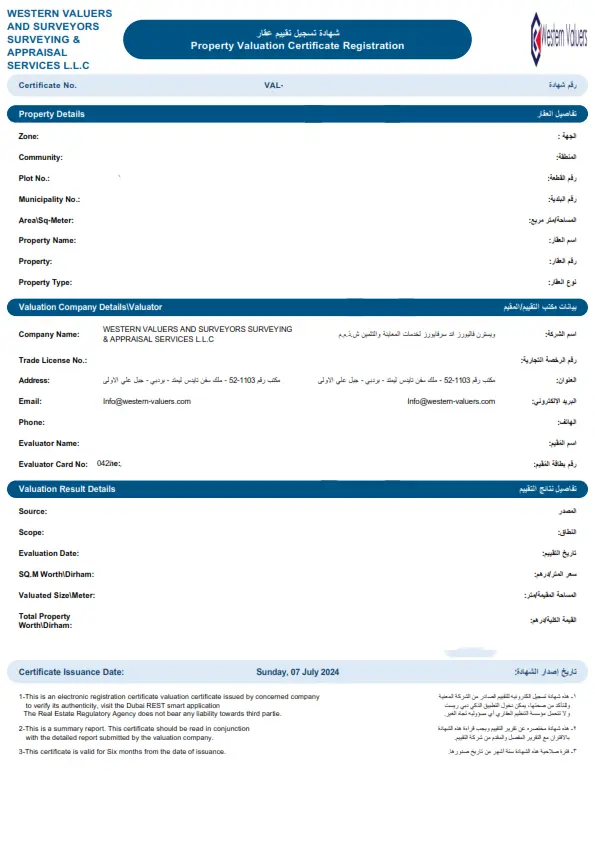
  • Company Logo & Name: Ensure the logo and name on the certificate match those of the approved valuation company you engaged.
  • Company Registration Number: Locate the company’s registration number on the certificate and verify it through the Dubai Land Department (DLD) website using their online service https://dubailand.gov.ae/en/eservices/valuation-certificate-verification-overview/.
  • Certificate Validity: Check the certificate’s validity period. It should typically be valid for a certain timeframe, such as six months.

Approved Valuation Companies Certificate
Request a call back.

Would you like to speak to one of our consultants over the phone?

Just submit your details and we’ll be in touch shortly. 

By prioritizing an approved and accredited valuation company, you guarantee a reliable valuation, ensure Golden Visa application success, and secure peace of mind by mitigating risks. Let your property investment journey in the UAE begin with the right foundation – a trustworthy and accurate valuation certificate.

Understanding Property Valuation Certificates:

A property valuation certificate, issued by a licensed and accredited valuation company, provides an official estimate of a property’s market value. This unbiased assessment is crucial for various purposes in Dubai’s real estate landscape, including:

  • Golden Visa Applications: As mentioned earlier, obtaining a Golden Visa through property investment requires a valuation certificate confirming the property’s value meets the minimum threshold (currently AED 2 million or more).
  • Mortgages: When financing a property purchase, banks rely on valuation certificates to determine the loan amount they can offer.
  • Taxation: Property valuations are used to calculate potential property taxes, such as the annual rental income tax.
  • Investment Decisions: Accurate valuations empower investors to make informed decisions about buying, selling, or renting a property.

Why Choose an Accredited Valuation Company?

Using a reputable and accredited valuation company guarantees several benefits:

  • Accuracy & Credibility: Accredited companies adhere to internationally recognized valuation standards, ensuring a reliable and unbiased estimate. This protects your investment and avoids discrepancies during Golden Visa applications or financial transactions.
  • Regulatory Compliance: Dubai mandates property valuations for various purposes, including Golden Visas. Employing an unapproved company’s certificate could lead to delays or rejections in your application.
  • Market Expertise: Accredited companies boast qualified valuers with extensive experience in the dynamic Dubai market. Their local knowledge ensures an accurate valuation reflecting current trends and specific to your property.
  • Risk Mitigation: Engaging a non-accredited company risks an inaccurate valuation, potentially leading to overpaying for a property or undervaluing it and missing out on potential returns.

MA

admin

Senior Valuer, Western VAS — RICS-qualified chartered surveyor.

Request a Call Back

Tell us about your requirement.
Related

More Insights

Industrial

Asset Valuation for Financial Reporting

Welcome to our blog where we delve into the intriguing world of asset valuation for financial reporting. Discover the significance of accurately valuing assets, explore different methods used, and unravel the challenges faced in this critical process. Let’s embark on a journey to understand how asset valuation impacts financial reporting and why it is essential for businesses to get it right.

The Importance of Asset Valuation in Financial Reporting

Asset valuation plays a crucial role in financial reporting, providing stakeholders with valuable insight into the true worth of a company’s assets. Accurate valuation ensures that financial statements present a fair and reliable picture of an organization’s financial health. It enables investors to make informed decisions based on the actual value of assets rather than estimations or outdated figures.

Moreover, asset valuation helps in assessing risk and determining the appropriate allocation of resources within a business. By understanding the current market value of assets, companies can strategize effectively for growth opportunities or potential challenges. Additionally, proper asset valuation is vital for compliance with accounting standards and regulations to maintain transparency and accountability in financial reporting practices.

In essence, asset valuation forms the foundation for sound decision-making, risk management, and maintaining trust among stakeholders in the realm of financial reporting.

Methods of Asset Valuation

When it comes to asset valuation for financial reporting, there are several methods that companies can use to determine the value of their assets accurately. One common method is the cost approach, which involves determining an asset’s value based on its original purchase price and any additional costs incurred to bring it to its current state.

Another popular method is the market approach, where the value of an asset is determined by comparing it to similar assets in the market. This method helps ensure that assets are valued at fair market prices reflective of current economic conditions.

Additionally, the income approach considers an asset’s potential future earnings when determining its present value. By analyzing cash flows and discount rates, companies can estimate how much an asset is worth based on its income-generating capabilities.

Choosing the appropriate valuation method depends on various factors such as industry standards, regulatory requirements, and company-specific circumstances.

RERA Accredited Valuation company
Read More

Industrial

Property Valuation Companies in Dubai: Essential for Financial Reporting

Property valuation companies in Dubai provide professional valuations of real estate assets, ensuring accurate financial reporting. These valuations are crucial for various purposes, including loan applications, mergers and acquisitions, and tax assessments.

The Role of Property Valuations in Financial Reporting

Property valuations play a vital role in financial reporting by establishing the fair market value of real estate assets. This information is used by companies to:

  • Calculate net worth and solvency
  • Determine collateral value for loans
  • Allocate costs and expenses
  • Comply with accounting standards

Request a call back.

Would you like to speak to one of our consultants over the phone?

Just submit your details and we’ll be in touch shortly. 

Benefits of Hiring Property Valuation Companies in Dubai

Hiring professional property valuation companies in Dubai offers several benefits:

  • Accuracy and Reliability: Companies utilize standardized methodologies and have access to market data, ensuring accurate valuations.
  • Expertise and Experience: Valuers have specialized knowledge and experience in the Dubai real estate market, providing valuable insights.
  • Compliance with Standards: Valuations adhere to International Valuation Standards (IVS) and local regulations, ensuring credibility and acceptance by financial institutions and regulators.

Selecting the Right Property Valuation Company in Dubai

Choosing the right property valuation company in Dubai is crucial. Consider the following factors:

  • Reputation and Experience: Research companies with a proven track record and experience in Dubai.
  • Qualifications and Certifications: Ensure valuers hold recognized qualifications and certifications, such as the Royal Institution of Chartered Surveyors (RICS).
  • Market Knowledge: Opt for companies with a deep understanding of the local real estate market and its dynamics.
    Property valuation companies in Dubai play a pivotal role in financial reporting, providing accurate valuations that support informed decision-making. By hiring reputable and experienced companies, businesses can ensure the reliability and credibility of their financial statements.

Expert Services

Introduction to Our Expert Property Valuation Services in Dubai
Building Reserve Study dubai

Commercial Valuations

Accurate and reliable commercial valuations that comply with International Valuation Standards (IVS) and local regulations.

Real Estate Asset Valuation uae

Residential Valuations

Accurate and reliable residential valuations that comply with International Valuation Standards (IVS) and local regulations.

Leashold Vauation

Hospitality and Leisure Valuations

Accurate and reliable hospitality and leisure valuations that comply with International Valuation Standards (IVS) and local regulations.

Property Value dubai

Retail Valuations

Accurate and reliable retail valuations that comply with International Valuation Standards (IVS) and local regulations.

Read More

Industrial

Residential Property Valuation: Ensuring Ethical and Professional Standards

Real estate is one of the most rapidly evolving markets today. A piece of seemingly worthless land can quickly become a prime location, surrounded by development and for-sale signs. Residential property valuations help you understand the true worth of a place where you may invest your hard-earned money. Additionally, it helps you ensure fair transactions, guiding decisions related to investments, financing, and estate planning. Whether you’re a homeowner or an investor, knowing the worth of a property allows you to make informed decisions with confidence. 

This process, however, isn’t just about placing a price tag on a house. Ethical and professional standards must be maintained to guarantee that property evaluations are both accurate and unbiased. This aspect often goes unnoticed, but it is essential in maintaining trust in the real estate sector. Through residential property valuation, evaluators adhere to strict guidelines to deliver an accurate, fair market value for homes. Understanding these standards, the importance of impartiality, and the overall process can significantly impact one’s experience in real estate transactions. 

Why You Need A Residential Property Valuation 

  1. Accurate Market Pricing: Residential property valuation ensures that the home is priced according to current market conditions, avoiding overpricing or undervaluation. This is crucial for sellers to get the right offer and for buyers to avoid paying more than necessary. 
  1. Informed Investment Decisions: For investors, understanding the value of a residential property allows for better financial planning, especially when building a portfolio. This prevents unnecessary risks, ensuring they receive a return on their investment. 
  1. Legal Compliance: Property valuation maintains compliance with legal and tax requirements. Whether it’s for mortgage purposes or estate planning, an accurate valuation protects homeowners from future disputes or financial penalties. 
  1. Support for Financing: When applying for a mortgage or refinancing, residential property valuation provides lenders with the necessary data to approve loans, making it an indispensable part of real estate finance. 
  1. Transparent Transactions: Ethical residential property valuation fosters transparency between buyers and sellers, ensuring both parties have a clear understanding of a property’s worth, which leads to smoother and fairer negotiations. 

Related Discussion 

Valuation Process and Ethical Standards: At the heart of residential property valuation is the principle of objectivity. Appraisers are required to adhere to ethical codes, ensuring that the valuation is free from biases and external influences. This impartiality builds trust among clients and maintains industry credibility. 

Legal and Financial Implications: Incorrect valuations can lead to legal issues or financial losses for homeowners. Ensuring a professional and accurate valuation helps in mitigating these risks, particularly when dealing with loans, taxes, or sales negotiations. 

Technological Influence: The introduction of advanced technology into property valuation has streamlined the process, making it more efficient and accessible. However, human expertise remains crucial in interpreting data and providing context for market conditions. 

Residential Property Valuation

Deep Dive into Residential Property Valuation 

1. The Role of Professional Appraisers 

The accuracy of residential property valuation is dependent on the expertise of the appraiser. A certified appraiser considers several factors: location, property condition, recent sales of similar homes, and economic conditions. They must be qualified, licensed, and trained to provide an unbiased opinion of a property’s value. The appraiser’s report serves as an official document that can be used for legal, tax, or financial purposes, making their role essential in any real estate transaction. 

Appraisers also follow a strict code of conduct to avoid conflicts of interest. They ensure that personal biases, pressure from buyers or sellers, or the influence of financial institutions do not affect the outcome of the valuation. By keeping these standards, appraisers uphold the integrity of the process. 

2. Valuation Methods 

Several methods can be used to determine the value of a residential property, each tailored to specific needs: 

  • Sales Comparison Approach: This is the most commonly used method, especially for residential properties. It involves comparing the home with recently sold properties in the same area, taking into account factors like size, age, and condition. 
  • Cost Approach: This method assesses the value by calculating how much it would cost to replace or reproduce the property. It is often used for new buildings or unique properties where comparable sales data may not be available. 
  • Income ApproachThough more frequently used for commercial properties, this method can be applied to residential properties that generate rental income. The income approach values the property based on the income it is expected to generate. 

3. Factors Affecting Residential Property Valuation 

A wide array of factors influences the valuation of a residential property:

  • Location: Proximity to amenities, schools, and public transport can significantly increase a property’s value. 
  • ConditionProperties that have been well-maintained or recently renovated will likely fetch higher valuations than those requiring repairs. 
  • Market TrendsEconomic conditions, interest rates, and local real estate trends can cause property values to fluctuate. 
  • Zoning Regulations: The type of zoning laws affecting the property can either increase or decrease its value, particularly when it comes to future development potential. 

Tips for Homeowners and Investors 

  • Research Comparable Sales: Understanding recent sales in your area can give you a better sense of what to expect during a valuation. 
  • Invest in Upgrades: Simple improvements, such as updating kitchens or bathrooms, can increase a home’s market value. 
  • Keep Documentation: Having records of any renovations or repairs can support a higher valuation. 
  • Stay Informed About Market Trends: Regularly following local real estate markets can help you time your sales or purchases for optimal results. 
  • Work with Trusted Professionals: Choose a licensed appraiser or valuation company, such as Western Valuers, that adheres to the highest ethical and professional standards. 

Ethical and Professional Considerations in Valuation 

Maintaining ethical standards is critical in residential property valuation. As the process directly affects financial decisions, appraisers are tasked with avoiding conflicts of interest and ensuring that every valuation remains transparent and objective. Professional organizations, such as RICS (Royal Institution of Chartered Surveyors), set benchmarks for ethical conduct, ensuring that valuations are carried out with integrity and consistency. 

Moreover, the accuracy of a valuation is not only beneficial for immediate financial transactions but also for the long-term stability of the real estate market. By adhering to ethical standards, appraisers help maintain trust in the system, ensuring that all parties involved—homeowners, investors, lenders—receive fair, unbiased information. 

An accurate residential property valuation serves as a foundation for successful real estate transactions, whether you’re buying, selling, or investing. With companies like Western Valuers upholding the highest ethical and professional standards, homeowners and investors alike can confidently navigate the property market, knowing they are making well-informed decisions based on accurate valuations. 

Read More

Industrial

Gifting Property in Dubai

Your complete guide to legally transferring property as a gift in Dubai.

What is Property Gifting?

Property gifting refers to the legal transfer of ownership without a sale. It is commonly practiced among family members.

Who Can Gift Property in Dubai?

According to the Dubai Land Department, property gifting is typically allowed between first-degree relatives:

  • Parents and children
  • Spouses
  • Grandparents and grandchildren

Transfers beyond first-degree relatives may require a formal sale process with standard fees.

Legal Requirements for Property Gifting

To gift property legally in Dubai, the following conditions must be met:

  • The donor must willingly transfer ownership.
  • The recipient must accept the gift.
  • The transfer must be officially registered with the Dubai Land Department (DLD).

Required Documents

The property gifting process requires the following documents:

  • Original Title Deed
  • Gift Deed
  • No Objection Certificate (NOC) from the developer
  • Passport and Emirates ID copies of both parties
  • Marriage certificate (if gifting between spouses)
  • Power of Attorney (if a legal representative is involved)

Property Valuation Requirement

Before gifting property in Dubai, an official valuation is required. The Dubai Land Department mandates an Evaluation Certificate to determine the property’s market value before transfer.

Why is valuation required?

  • Determines the property’s market value.
  • Calculates the applicable transfer fee.
  • Ensures compliance with DLD regulations.

The transfer fee for property gifting is 0.125% of the property value for first-degree relatives.

Fees and Charges

Property gifting in Dubai is subject to reduced fees compared to a standard property sale:

  • Transfer Fee: 0.125% of the property value (instead of 4%)
  • Administrative Fees: Up to AED 2,000
  • Sibling Transfers: Subject to 2% transfer fee

Process and Timeline

The gifting process typically takes 2 to 4 weeks. The key steps are:

  1. Gather required documents.
  2. Draft a legally binding Gift Deed.
  3. Obtain an NOC from the developer.
  4. Submit documents to the Dubai Land Department.
  5. Complete final registration and property transfer.

Tax Implications

Dubai does not impose property taxes on gifted property. However, the transfer fee must be paid by the donor.

Benefits of Property Gifting

  • Cost-effective: Lower transfer fees compared to selling.
  • Simple process: Requires fewer formalities.
  • Estate planning: Helps in long-term family wealth management.

Key Considerations

Before gifting property, consider:

  • Legal compliance: Follow DLD regulations.
  • Financial impact: Ensure the transfer is beneficial.
  • Future ownership: The recipient gains full control.

Conclusion

Gifting property in Dubai is a smooth process when done correctly. By following legal requirements, preparing the necessary documents, and understanding the associated fees, individuals can ensure a hassle-free transfer.

Need assistance? Contact us today for expert guidance on property gifting in Dubai.

Read More

Industrial

Valuation company

Navigating the bustling real estate market in Dubai can be both exciting and daunting. With a skyline that constantly evolves, knowing the true value of your property is essential. Whether you’re looking to buy, sell, or invest, understanding property valuation becomes crucial. That’s where expert help comes into play. The right property valuation company in Dubai can provide you with precise insights and reliable assessments tailored to your needs. Let’s dive into the world of property valuation companies in the UAE and discover how they can guide you through this dynamic marketplace.

Property valuation companies in UAE

The UAE is home to a diverse range of property valuation companies that cater to various needs and preferences. From residential assessments to commercial valuations, these firms offer expertise across the board.

Many of these companies are equipped with experienced professionals who understand the local market intricacies. Their knowledge helps clients make informed decisions based on accurate data.

In addition to traditional methods, some firms utilize innovative technology and analytics for precise evaluations. This modern approach elevates the quality of service offered in this competitive landscape.

Moreover, regulatory compliance is paramount in property valuation. Companies ensure their appraisals align with local laws and standards, providing peace of mind to clients engaging in real estate transactions.

Selecting the right property valuation company can significantly influence your investment strategy in Dubai’s vibrant market.

Property valuation certificate Dubai

A property valuation certificate in Dubai is a vital document for anyone looking to buy, sell, or finance real estate. This certificate provides an official assessment of a property’s value based on various factors including location, condition, and market trends.

Obtaining this certificate involves a comprehensive analysis conducted by certified professionals. They evaluate the property’s unique characteristics and compare it with similar properties in the area.

This process ensures that buyers and sellers have an accurate understanding of the property’s worth. Whether you’re securing a mortgage or determining the sale price, having this certification can facilitate smoother transactions.

In Dubai’s competitive market, possessing a property valuation certificate adds credibility to your dealings. It assures all parties involved that the quoted value is fair and substantiated by expert insight.

Best property valuation company in Dubai

When searching for the best property valuation company in Dubai, it’s essential to consider a few key factors. Experience plays a crucial role in determining the reliability of an appraiser. Companies with a long-standing presence in the market are more likely to have extensive knowledge of local trends.

Reputation matters too. Look for firms that are highly recommended by clients and industry experts alike. Positive reviews can provide insight into their professionalism and accuracy.

Another aspect to review is certification and accreditation. Ensure that the company adheres to international standards set by recognized bodies, which adds credibility to their evaluations.

Excellent customer service sets top companies apart from others. A firm that communicates clearly and promptly will make your valuation process seamless and stress-free. Consider these elements when choosing your property valuation partner in Dubai for optimal results.

Expert Property Valuation Services in Dubai

When it comes to property valuation in Dubai, expert services are invaluable. These professionals provide accurate assessments based on market trends, location specifics, and property condition.

Specialized valuers utilize advanced techniques and tools to ensure precision. They consider various factors such as comparable sales data and economic indicators that influence real estate values.

Many companies offer tailored solutions catering to different client needs—be it residential, commercial, or industrial properties. This personalized approach helps clients make informed decisions regarding buying or selling their assets.

Furthermore, expert valuers often hold certifications from recognized institutions. Their knowledge of local regulations adds an extra layer of reliability to the valuation process.

Engaging with a skilled property valuation company can save time and avoid costly mistakes during transactions. It’s essential for anyone navigating the dynamic Dubai real estate market today.

Property Valuation in Dubai

Property valuation in Dubai is an essential service for anyone looking to buy, sell, or invest in real estate. With the rapid growth of the city’s property market, accurate valuations have become increasingly important.

Valuation experts assess various factors that influence property prices. This includes location, size, age, and condition of the property. They also consider current market trends and comparable sales data.

In a dynamic environment like Dubai, understanding these nuances can make a significant difference. A precise valuation ensures you’re making informed decisions whether you’re entering the rental market or purchasing a new home.

Many companies utilize advanced technology and local expertise to deliver reliable valuations. Engaging with professional services not only guarantees accuracy but also provides peace of mind during transactions.

For those navigating this vibrant marketplace, recognizing the importance of thorough property evaluation cannot be understated. It lays the groundwork for successful investment strategies tailored to individual needs.

How Property Valuation Works in Dubai: A Professional Guide

Property valuation in Dubai is a systematic process that assesses the value of real estate. It involves multiple factors, including location, property condition, and market trends.

Experts begin by gathering detailed information about the property. This includes its size, age, and any unique features that might add to its worth. A thorough comparison with similar properties in the area also plays a crucial role.

Market conditions are another vital aspect. Valuers analyze current demand and supply dynamics to gauge how these influence pricing.

Professional valuers often utilize various methodologies such as the income approach or sales comparison method. Each technique provides insights tailored to specific types of properties.

All findings culminate in a property valuation certificate. This document serves as an official confirmation of value for buyers, sellers, and financial institutions alike.

Read More

Industrial

Commercial property Valuation

Commercial Property Valuation: The Role of the Professional Valuer in the Audit Process

When it comes to financial reporting, accurate property valuation is crucial. A professional valuer plays a vital role in ensuring that assets are valued correctly, which directly impacts the auditing process. Whether you’re dealing with investment properties or commercial real estate, understanding how valuation affects audits can help you navigate the complexities of financial assessments.

In today’s fast-paced market, businesses must rely on precise valuations from reputable property valuation companies. As we delve into the intricate relationship between valuers and auditors, you’ll discover what to expect during an audit and how to prepare effectively. Join us as we explore fair value measurements and their significance in maintaining compliance and transparency in your financial statements.

Commercial Valuation: Auditing And Accounting (End Year Valuation)

End-year valuation is a pivotal process in auditing and accounting. It ensures that financial statements accurately reflect the true value of assets. This assessment becomes particularly significant as companies prepare for annual reports.

Professional valuers conduct thorough evaluations to determine fair market values for various properties. Their expertise helps identify discrepancies, ensuring transparency and compliance with financial regulations.

As businesses approach year-end audits, it’s essential to gather all relevant property documentation early on. A detailed inventory of assets can streamline the valuation process significantly.

Moreover, effective communication between auditors and valuers lays the groundwork for an accurate audit outcome. When both parties collaborate seamlessly, potential issues are addressed proactively, minimizing last-minute surprises during audits.

In a world where precision matters more than ever, understanding end-year valuations can set organizations apart from their competitors. The right approach leads to trustworthiness in reporting and enhances stakeholder confidence.

How to audit fair value measurements for commercial properties 

Auditing fair value measurements is a critical aspect of the audit process. It requires a thorough understanding of both financial reporting standards and the specific assets being valued.

Begin by reviewing the valuation methodologies used. Assess if they align with relevant accounting frameworks, such as IFRS or GAAP. Ensure that these methods are appropriate for the asset type.

Next, verify inputs utilized in valuations. This includes examining market data, rental income estimates, and comparable property values. Engage with real estate valuation services to obtain credible third-party analyses when necessary.

Then, evaluate assumptions made during valuations. Are they realistic? Do they reflect current market conditions?

Document all findings meticulously. A comprehensive record aids in transparency and supports your conclusions during audits of investment properties or any asset class requiring fair value assessments.

Valuations Audits: What to Expect & How to Prepare

Valuation audits can seem daunting, but understanding what to expect makes the process smoother. Initially, auditors will review documentation related to property valuation. This includes appraisals and any prior reports that establish a baseline for value.

Next, they’ll assess methodologies used in the valuations. Did the valuers follow industry standards? This step is crucial as it ensures transparency and reliability in their findings.

To prepare effectively, gather all pertinent documents ahead of time. Ensure access to your Property Valuation Company’s reports and relevant data on market trends.

Communication with your valuation experts is vital as well. Discuss any concerns or discrepancies before the audit begins. Being proactive helps streamline the entire experience.

Be ready for questions about assumptions made during valuation processes. Clear explanations will not only facilitate understanding but also bolster confidence in your financial reporting efforts.

What are the values of auditing?

Auditing serves as a crucial pillar in maintaining trust within financial reporting. It provides transparency and accountability, ensuring that stakeholders can rely on the information presented.

One of the core values of auditing is enhancing credibility. A thorough audit validates financial statements, giving investors and creditors confidence in an organization’s fiscal health.

Moreover, audits identify discrepancies or inefficiencies within processes. This not only helps organizations correct issues but also fosters continuous improvement.

Risk management is another significant value of auditing. By evaluating internal controls and compliance with regulations, auditors help mitigate potential hazards that could impact a business’s viability.

Audits facilitate informed decision-making. With accurate data at hand, management can strategize effectively for future growth while aligning with best practices in governance and standards adherence.

How do you evaluate an audit?

Evaluating an audit involves several key factors that determine its effectiveness and accuracy. First, assess the auditor’s independence. A professional valuator should not have any conflicts of interest with the entity being audited.

Next, examine the scope of the audit. This includes understanding which areas were covered and whether they align with industry standards. A thorough audit will encompass all significant aspects of financial reporting.

Look at the methodology used for property valuation as well. The techniques employed should be sound and appropriate for the type of investment properties evaluated.

Moreover, consider how well findings are communicated in the final report. Clarity is essential; stakeholders need to grasp both risks and recommendations easily.

Feedback from previous audits can provide insights into recurring issues or improvements made over time, reflecting on overall performance quality within a given framework.

Auditing the Valuation of Investment properties

Auditing the valuation of investment properties requires a detailed understanding of real estate markets. It’s not just about numbers; it involves assessing market trends, location specifics, and property condition.

Professional valuers play a crucial role here. Their insights ensure that valuations reflect fair value accurately. They analyze comparable sales, rental income potential, and capital expenditure needs to present an informed opinion.

During audits, transparency is vital. All assumptions made in the valuation process must be clearly documented. This allows auditors to assess whether the estimates used align with industry standards.

Property Valuation Surveys for Financial Reporting provide essential data points necessary for verifying asset values. Auditors will focus on these surveys to confirm consistency and validity in reported figures.

Rigorous auditing ensures that stakeholders can trust financial statements related to investment properties firmly rooted in accurate valuations.

Valuation for auditing

Valuation for auditing is a critical aspect that ensures financial statements reflect accurate and fair values. When auditors assess an organization’s value, they rely on professional valuers to provide precise evaluations.

These valuations must align with accounting standards and regulatory frameworks. The process includes thorough analysis of market data, comparable sales, and income assessments.

Professionals from a property valuation company play a key role here. Their expertise helps identify discrepancies or potential misstatements in asset values.

Additionally, the methodologies employed can vary based on the type of asset being evaluated—whether it’s real estate or investment properties. Each approach requires skillful interpretation to support sound decision-making.

Regular engagement with valuation experts enhances credibility during audits and fosters trust among stakeholders involved in financial reporting activities.

How commercial property Valuation Impacts Financial Audits

Asset valuation plays a pivotal role in the financial audit process. It directly affects how an organization’s financial health is perceived by stakeholders. Accurate property valuations ensure that the reported values on balance sheets reflect true market conditions. This transparency fosters trust with investors, regulators, and clients.

When auditors assess asset valuations, they’re looking for compliance with accounting standards and regulations. If a company underestimates or overstates its assets, it risks severe repercussions during audits. These can range from fines to damaged reputations.

Moreover, real estate valuation services enhance the reliability of financial reporting by providing independent assessments of asset value. A professional valuer ensures that properties are evaluated fairly based on current market trends and potential income generation capabilities.

In markets like Dubai, where property dynamics shift rapidly, timely property valuation surveys become indispensable for accurate reporting. They help businesses stay compliant while presenting stakeholders with reliable data.

Thus, involving a reputable valuation company early in the audit process can streamline operations significantly. Engaging experts who specialize in fair value measurement helps mitigate risks associated with inaccurate valuations.

The impact of thorough asset valuation cannot be understated; it lays the foundation for sound decision-making across various business functions while safeguarding stakeholder interests in every audit cycle.

Read More

Industrial

Property valuation certificate Dubai

Are you curious about the true value of your property in Dubai? Wondering how to obtain a certified Property Valuation Certificate that reflects its worth accurately? Look no further! In this blog post, we will delve into the intricacies of property valuation in Dubai, highlighting the importance of a valuation certificate and guiding you on how to secure one from accredited valuers. Stay tuned to unlock valuable insights into the world of property valuation and discover why it’s essential for every homeowner or investor in Dubai!

Understanding Property Valuation in Dubai

Property valuation in Dubai is a meticulous process that determines the market value of a property. It involves assessing various factors to arrive at an accurate estimation. Factors such as location, size, condition, and amenities play a crucial role in determining the value of a property in Dubai.

Valuation reports provide valuable insights into the current worth of a property, helping owners make informed decisions regarding selling or renting their real estate assets. Understanding property valuation is essential for both buyers and sellers to ensure fair transactions based on the actual market value.

Accredited valuers use their expertise and knowledge of the local real estate market to conduct thorough evaluations that reflect the true worth of properties in Dubai. By understanding how property valuation works, individuals can gain confidence in their investment decisions and negotiate deals effectively.

Read More

Industrial

Building appraisal

Building appraisal is a crucial step in understanding the true value of a property in the complex world of real estate. Whether you’re a first-time homebuyer or a seasoned investor in Dubai’s dynamic market, this process provides invaluable insights. Building appraisals not only determine a property’s worth but also influence critical decisions such as selling, financing, and insurance.

In this blog post, we’ll dive into the various aspects of appraisals within the real estate sector. From residential homes to expansive commercial properties, we’ll explore what an appraisal entails and why it’s essential for buyers and sellers alike. Get ready to uncover insights that will empower you in your real estate journey!

Appraisal in Real Estate | Meaning, Purposes & Approaches

Appraisal in real estate is a systematic evaluation of a property’s value. It assesses various factors, including location, condition, and market trends. This process helps to establish a fair price for buyers and sellers.

The primary purpose of an appraisal is to ensure that the property’s value aligns with its selling price. Lenders also rely on appraisals to determine how much they are willing to finance.

There are multiple approaches to conducting an appraisal. The cost approach estimates value based on rebuilding costs minus depreciation. The sales comparison method involves comparing similar properties recently sold in the area. The income approach focuses on revenue potential for investment properties.

Understanding these components can make navigating real estate transactions smoother and more informed for everyone involved.

What Is a Home Appraisal?

A home appraisal is a professional assessment of a property’s value. It’s typically conducted by an approved valuer who evaluates various aspects to determine the worth.

The process involves examining the property’s condition, location, and features. Comparisons with similar properties in the area also play a crucial role. This helps ensure an accurate reflection of market trends.

Home appraisals are often required during real estate transactions. Buyers may need them for financing purposes, while sellers might seek one to set an appropriate listing price.

An appraisal provides peace of mind for all parties involved, ensuring transparency in pricing decisions. Understanding this process can empower homeowners and buyers alike as they navigate the real estate landscape more effectively.

Property Appraisal In Dubai

Property appraisal in Dubai is a vital process for buyers, sellers, and investors. With its dynamic real estate market, accurate valuations are essential to navigate the ever-changing landscape.

Dubai’s appraisers consider various factors when determining property value. Location plays a significant role—properties near iconic landmarks or business hubs often command higher prices. Additionally, market trends and neighborhood developments influence valuation outcomes.

Approvedvaluers utilize extensive data to provide reliable assessments. They examine recent sales of comparable properties, economic indicators, and future growth potential within the area.

For those seeking apartment valuation or building valuation services in Dubai, working with a reputable real estate company is crucial. Their expertise ensures you receive an accurate appraisal that reflects true market conditions.

Understanding the nuances of land valuation can greatly impact investment decisions. Engaging with certified professionals helps mitigate risks associated with property transactions in this vibrant city.

What Is a Commercial Real Estate Appraisal?

A commercial real estate appraisal is a professional assessment of the value of properties used for business purposes. This type of appraisal takes into account various factors that influence property valuation.

Appraisers analyze elements such as location, building size, and condition. They also consider market trends and income potential from leasing or selling the property.

Different approaches are employed in commercial appraisals, including the income approach, cost approach, and sales comparison method. Each provides unique insights into how much a property is worth.

Engaging an approved valuer ensures that you receive an accurate and unbiased assessment. Their expertise can significantly impact investment decisions or financing opportunities.

Whether you’re dealing with office buildings, retail spaces, or industrial warehouses, understanding the nuances of commercial appraisals is crucial for stakeholders in the real estate market.

The Property Appraisal Process

The property appraisal process is essential for determining a property’s market value. It typically begins with the appraiser gathering pertinent information about the property.

They assess its size, condition, location, and unique features. This data helps establish an accurate baseline for valuation.

Next comes a comparative analysis. The appraiser examines recently sold properties in the area to gauge current market trends. This step is vital in ensuring that the valuation reflects real-time data.

After this analysis, a final inspection occurs. The appraiser might take photographs or note specific attributes that can affect value perception.

Once all information is compiled, they prepare an appraisal report detailing their findings and justifying their evaluation methods. This document serves as an official record used by banks and real estate companies alike during transactions or financing decisions.

BUILDING APPRAISAL

Building appraisal is a vital aspect of real estate valuation. It determines the market value of a property based on various factors, including location, condition, and potential uses.

An approved valuer conducts this assessment to ensure accuracy and compliance with local regulations. Their expertise is crucial for buyers and sellers navigating the complex property landscape.

The process often involves comparing similar properties in the area to arrive at an objective valuation. This method provides insights into current market trends while highlighting specific features that affect price.

In cities like Dubai, where rapid development occurs, building appraisals play an essential role in investment decisions. Investors rely on detailed reports to understand their property’s worth better.

Accurate building valuations not only support financial transactions but also contribute significantly to strategic planning for future developments.

Land Dept Approved Valuation

When it comes to property valuation in the UAE, particularly in Dubai, working with an approved valuer is critical. The Land Department has specific standards and guidelines that govern the appraisal process. An approved valuation not only ensures compliance but also provides a credible assessment of your property’s worth.

This approval reflects adherence to local regulations, which helps both buyers and sellers navigate real estate transactions more confidently. Having an official valuation can facilitate smoother negotiations, whether you’re dealing with residential or commercial properties.

With each type of appraisal—be it building, apartment, or land—understanding these valuations equips you with better insights into market trends and investment opportunities in Abu Dhabi and beyond. By leveraging professional services from reputable real estate companies, you can secure accurate appraisals essential for making informed decisions in this dynamic marketplace.

Read More

Industrial

Property Valuation

Property valuation in Dubai

Dubai, known for its futuristic skyscrapers and luxurious properties, is a hub of real estate activity. Property valuation in this bustling city is a complex process that involves assessing various factors to determine the fair market value of a property. Whether you own a residential apartment overlooking the iconic skyline or a commercial space in a prime location, understanding the valuation methods is crucial.

The Dubai real estate market is influenced by factors such as location, size, amenities, market trends, and infrastructure developments. Valuation companies in Dubai use these elements to calculate the worth of properties accurately. The Dubai Land Department (DLD) plays a significant role in regulating property valuations through its certification process.

Valuation services

RERA property valuation guidelines ensure transparency and fairness in property transactions across Dubai. By availing the property valuation services of reputable valuation companies, property owners can obtain reliable valuation reports that reflect the true value of their assets.

Understanding Property Valuation

Property valuation is a crucial aspect of the real estate market in Dubai. It refers to the process of determining the monetary value of a property, whether it’s residential or commercial. Understanding property valuation involves considering various factors that can influence the value of a property.

Factors such as location, size, condition, and amenities play a significant role in determining the value of a property. Additionally, market trends and demand for similar properties in the area also impact valuation.

By understanding these factors and how they affect property valuation, sellers and buyers can make informed decisions when it comes to pricing their properties or making purchase offers. Working with professional valuation companies in Dubai can help ensure an accurate assessment based on current market conditions and regulations.

Having a solid grasp of property valuation is essential for anyone involved in buying or selling real estate in Dubai.

Factors Affecting Property Valuation in UAE

When it comes to property valuation in the UAE, there are several key factors that can significantly impact the value of a property.

Location plays a crucial role in determining the value of a property in Dubai. Properties located near amenities such as schools, malls, parks, and public transportation tend to have higher valuations.

The condition of the property also affects its valuation. Well-maintained properties with modern finishes are likely to be valued higher than those in need of repairs or renovations.

Market trends and economic conditions can also influence property valuations. Factors such as supply and demand, interest rates, and overall market stability can all impact the perceived value of a property.

Additionally, unique features such as waterfront views, architectural design, and outdoor space can add significant value to a property.

By considering these factors carefully, both buyers and sellers can make more informed decisions when it comes to real estate transactions in the UAE.

Methods of Property Valuation in UAE

When it comes to valuing a property in the UAE, there are several methods that professionals use to determine its worth accurately. One common method is the sales comparison approach, where recent comparable sales in the same area are analyzed to estimate the property’s value. Another method is the income approach, which calculates the property’s value based on its potential income generation.

The cost approach is also used, where the value is determined by estimating how much it would cost to replace or reproduce the property at current prices. Additionally, factors like location, size, condition, and market trends are taken into consideration during valuation.

Valuation experts may combine these methods or prioritize one over another depending on various factors specific to each property being assessed. By utilizing these diverse approaches, professionals can offer comprehensive and accurate property valuations tailored to individual client needs.

Importance of Accurate Property Valuation

Accurate property valuation is crucial in the UAE real estate market for various reasons. It ensures that buyers and sellers are making informed decisions based on the true worth of a property. Knowing the accurate value can prevent overpaying or underselling a property.

Moreover, precise valuations play a significant role in securing financing from banks or financial institutions. Lenders rely on these valuations to determine the loan amount they are willing to provide. Inaccurate valuations could result in financing challenges or even lead to potential financial losses.

For investors, knowing the accurate value of their properties enables them to strategize effectively. They can make sound investment decisions, such as whether to hold, sell, or renovate based on this information.

Accurate property valuation is essential for transparency in the real estate sector and maintaining overall market stability.

Process of Property Valuation in UAE

When it comes to property valuation in the UAE, the process involves a series of steps to determine the true worth of a property. Valuation experts take into account various factors such as location, size, condition, and market trends.

The first step in the process is gathering all relevant information about the property being valued. This includes details about its age, construction quality, amenities, and any recent renovations or upgrades.

Next, valuation professionals analyze comparable properties in the same area that have been recently sold or rented. This helps them understand current market conditions and trends that may impact the value of the subject property.

After collecting data and conducting thorough research, valuation experts use different methods such as income approach, cost approach, and sales comparison approach to determine an accurate valuation for the property.

A detailed report outlining the valuation methodology used and providing justification for the final value is prepared for review by clients or authorities requiring this information.

Tips for Increasing Property Value in UAE

Looking to boost the value of your property in the UAE? Here are some tips that can help you increase its appeal and market worth.

Consider enhancing your property’s curb appeal by maintaining a well-kept exterior. Landscaping, painting, and fixing any structural issues can go a long way in attracting potential buyers or tenants.

Focus on making interior upgrades such as modernizing the kitchen or bathrooms. These are key areas that can significantly impact the overall value of your property.

Moreover, investing in energy-efficient features like solar panels or smart home technology can not only make your property more attractive but also reduce utility costs for future owners or occupants.

Additionally, staying up-to-date with market trends and understanding what amenities are desirable in the current real estate landscape can give you a competitive edge when it comes to valuation.

Conclusion

As property valuation plays a crucial role in the real estate market in Dubai and the UAE, it is essential for property owners to understand its significance. By comprehending the various factors that influence property valuation, utilizing different methods of valuation, and ensuring accuracy throughout the process, individuals can make informed decisions regarding their properties.

Accurate property valuation enables property owners to maximize their investments, secure favorable financing terms, and navigate the competitive real estate market with confidence. By staying informed about current trends and seeking professional assistance when needed from reputable valuation companies or experts in Dubai and the UAE, individuals can effectively enhance their property value and make strategic decisions for long-term success.

Read More

Industrial

Real Estate Valuation services in UAE

Navigating the world of real estate can be a daunting task, especially when it comes to understanding property valuation. Whether you’re looking to sell your home, invest in a new property, or simply curious about market trends, knowing how much your property is worth is crucial. With advancements in technology, instant online valuations have become increasingly popular and accessible. But what goes into determining that value? Join us as we explore everything from online tools and expert assessments to essential steps for selling a home. Understanding property valuation has never been more important, so let’s dive right in!

Instant Online Valuation

Instant online valuation has revolutionized how homeowners and buyers assess property worth. With just a few clicks, you can access an estimate tailored to your property’s details. All you need are some basic inputs like location, size, and number of bedrooms.

These tools leverage vast databases filled with comparable sales data, allowing for quick assessments that reflect current market trends. The convenience factor is huge; no waiting for appointments or lengthy evaluations.

Online valuations provide transparency in the real estate process and empower users with information at their fingertips. While they may not replace professional appraisals entirely, they offer a great starting point for anyone looking to understand their property’s potential value better.

Pop in your property details

Entering your property details for an online valuation is quick and straightforward. You’ll typically need to provide basic information such as the property’s address, type, size, and any unique features. This data helps create a clearer picture of what you’re looking to assess.

Once the information is submitted, advanced algorithms analyze market trends and comparable properties in your area. The technology considers factors like recent sales and neighborhood characteristics to generate an estimate tailored just for you.

With this instant insight into your property’s value, you can make informed decisions about selling or refinancing. It removes much of the guesswork involved in real estate transactions while providing a solid foundation for further discussions with agents or buyers.

How it works

The online property valuation process is straightforward and user-friendly. You start by entering your property details, including the address, size, and type of home. Some tools might also ask for recent renovations or unique features that could affect value.

Once you submit this information, algorithms analyze various data points. These may include comparable sales in your area, market trends, and local amenities. The system then generates an estimated value based on these insights.

You’ll receive a report detailing the valuation along with factors influencing it. This instant feedback can be useful whether you’re buying or selling a home. It’s designed to give you a quick snapshot without needing extensive expertise in real estate.

Benefits of Online Valuation

Online property valuation offers convenience that traditional methods can’t match. With just a few clicks, homeowners can access estimated values without scheduling appointments or waiting for an expert’s visit. This immediacy allows for quicker decision-making in the ever-changing real estate market.

Another significant benefit is cost-effectiveness. Many online tools provide free initial valuations, saving you money while still offering valuable insights into your property’s worth. This accessibility encourages more people to engage with the process of understanding their property value.

Moreover, online valuations often utilize extensive data analytics and algorithms. These advanced techniques consider various factors influencing market trends, giving users a reliable snapshot of their property’s current standing without needing specialized knowledge or experience.

Factors Affecting Property Value

Several factors play a crucial role in determining property value. Location is often the most significant element, as homes in desirable neighborhoods typically command higher prices. Proximity to amenities like schools, parks, and public transportation can enhance a property’s appeal.

The condition of the property itself also influences its market worth. Well-maintained homes with modern upgrades attract buyers more readily than those needing extensive repairs or renovations. Aesthetic features, such as landscaping and curb appeal, contribute significantly to first impressions.

Economic conditions cannot be overlooked. Market trends fluctuate based on supply and demand dynamics. External elements like interest rates and employment levels further impact buyer behavior and ultimately affect property valuations across various regions.

Accuracy of Online Valuations

Online property valuation tools offer quick estimates, but accuracy can vary significantly. These tools rely on algorithms that consider recent sales data, local market trends, and various property characteristics. However, they may not fully account for unique features or conditions of a specific home.

For instance, renovations or neighborhood changes might not be reflected in the algorithm’s calculations. This can lead to discrepancies between online estimates and actual market value. It’s essential for homeowners to understand these limitations when relying solely on digital assessments.

While online valuations provide a useful starting point, consulting a professional is vital for more precise insights. Combining both methods ensures you have a comprehensive understanding of your property’s worth before making any decisions.

Expert Opinions on Property Value

Expert opinions on property value can provide invaluable insights when navigating the complex real estate market. Professionals like appraisers and real estate agents use their extensive knowledge and experience to assess a property’s worth accurately. Their evaluations consider various factors, including location, condition, and recent sales of comparable properties.

These experts often have access to proprietary data that average homeowners might not easily obtain. This information aids in establishing realistic pricing strategies for sellers or potential purchase offers for buyers.

Consulting with an expert also helps identify unique features of your property that could influence its value positively or negatively. Understanding these nuances can make a significant difference in achieving fair market value in any transaction.

Guide to Selling a Home

Selling a home can feel overwhelming, but breaking it down into manageable steps makes the process smoother. Start by preparing your property. Clean and declutter to make a great first impression on potential buyers.

Next, set an attractive price based on accurate property valuation insights. Research similar homes in your area to gauge market trends and ensure you are competitive yet realistic with your asking price.

Once listed, stage your home effectively for viewings; this helps buyers visualize themselves living there. Consider hiring a real estate agent who knows the local market well—they can provide valuable guidance throughout the selling journey.

Further Steps After Valuation

Once you’ve received your property valuation, it’s time to take action. Start by analyzing the results and determining how they align with your selling goals. Understanding where you stand in the market can help inform your next steps.

If you’re satisfied with the estimate, consider prepping your home for sale. This could mean making necessary repairs or enhancements to boost curb appeal. A well-presented property often attracts more buyers and potentially increases offers.

On the other hand, if the valuation falls short of expectations, don’t panic. You may want to hold off on selling until market conditions improve or reassess what changes you can make to enhance value before listing again. Each decision should be informed by accurate data and expert advice when needed.

Nationally-Calculated House Price Index

The Nationally-Calculated House Price Index (HPI) serves as a vital tool for understanding the real estate market’s trends. This index aggregates data from various regions, providing insights into how property values fluctuate over time. Homebuyers and investors often rely on it to gauge market dynamics.

By analyzing past sales data, the HPI reflects national averages and regional variations in property prices. It is instrumental for determining whether a specific area is gaining or losing value. Such information can guide investment decisions.

Real estate professionals utilize the HPI to assess market conditions effectively. Whether you’re selling or buying, being aware of these trends can significantly impact your strategy, ensuring you make informed choices when navigating the ever-changing landscape of property valuation.

Free Property Valuation Tools

Free property valuation tools have become increasingly popular among homeowners and potential buyers. These online resources allow users to quickly estimate the value of a property by inputting basic information like location, size, and condition. With just a few clicks, you can access valuable insights without any cost.

Understanding property valuation estimates is crucial for making informed decisions. Many platforms utilize algorithms that analyze market trends and comparable sales in your area. This data helps provide a more accurate picture of what your property might be worth.

Additionally, using postcode data enhances the precision of these valuations. By focusing on specific neighborhoods or regions, these tools refine their assessments based on local market dynamics. This targeted approach ensures you receive relevant information tailored to your property’s unique characteristics.

Understanding Property Valuation Estimates

Property valuation estimates are crucial for buyers and sellers alike. They provide a preliminary understanding of what a property might be worth in the current market. This estimation can guide decisions about selling prices or purchase offers.

The process often involves analyzing various factors, such as location, size, condition, and recent sales of comparable properties. Online tools can generate quick estimates based on these metrics, but it’s important to remember they may not account for unique features that affect value.

While online valuations serve as an excellent starting point, they should be viewed with caution. Engaging with professional valuers ensures you receive accurate assessments tailored to specific circumstances and local nuances that automated systems might miss.

Using Postcode Data for Valuation

Postcode data plays a vital role in property valuation. It provides insights into local market trends, neighborhood demographics, and historical pricing patterns. By analyzing postcode information, you can better understand how similar properties perform in your area.

When assessing a property’s value, it’s essential to consider the surrounding environment. Factors like proximity to schools, parks, and public transport can significantly impact appeal. Postcode data helps identify these key influences that elevate or lower property values within specific regions.

Additionally, using postcode data allows for more accurate comparisons with recent sales nearby. This approach ensures that valuations reflect current market conditions rather than outdated figures. Real estate professionals often rely on this method for a clearer picture of potential home worth.

Accessing Property Valuation Resources

Accessing property valuation resources has never been easier. Numerous websites and online platforms offer tools that provide quick estimates based on your property’s details. These tools can be particularly useful for homeowners curious about their property’s worth or investors seeking market insights.

Local government offices also play a crucial role in providing valuation information. Many municipalities maintain databases of property sales, assessments, and tax records that can help you understand local trends better.

Additionally, real estate agencies often publish reports highlighting market conditions and average prices in specific areas. Utilizing these diverse resources will give you a well-rounded perspective on the current property landscape.

Professional Real Estate Valuation Services

Professional valuation services provide a comprehensive analysis of your property’s worth. These experts utilize their extensive knowledge and experience to evaluate various factors, including market trends, location, and property condition. Their insights can be invaluable for both buyers and sellers.

Hiring a professional ensures that you receive an accurate appraisal tailored to your unique situation. This is particularly important in fluctuating markets where precise valuations can make or break a deal. With expert guidance, you gain confidence in pricing strategies.

Moreover, professional valuers often have access to proprietary databases and tools that enhance the evaluation process. They can identify comparable properties and recent sales data that might not be readily available online. This level of detail helps clients make informed decisions regarding their real estate investments.

Benefits of Expert Real Estate Valuation services

Expert valuations offer a level of precision that online tools simply cannot match. Trained professionals bring years of experience and local market knowledge to the table, ensuring an accurate assessment of your property’s worth. They consider various factors, from neighborhood trends to unique features of your home.

Another advantage is the credibility associated with expert opinions. When you present a professionally conducted valuation, it carries weight with buyers and lenders alike. This can help in negotiations or securing financing for potential buyers.

Additionally, experts can provide insights into future market trends. Understanding how external factors may influence property values allows homeowners to make informed decisions about selling or investing in real estate at the right time.

Property Valuation for Different Scenarios

Understanding property valuation for different scenarios can significantly impact your real estate decisions. Whether you are selling, buying, or refinancing, each situation requires a tailored approach.

For sellers, knowing the accurate value of your home helps set a competitive asking price. Buyers benefit from understanding market values to avoid overpaying. Investors looking at rental properties need insights into potential returns and market trends.

Additionally, when considering divorce settlements or estate planning, precise valuations ensure fair distribution of assets. Each scenario presents unique considerations that professional valuers understand deeply.

Leveraging expert advice in these situations can lead to informed choices that align with your financial goals. Taking the right steps in property valuation can pave the way for successful transactions and investments in real estate.

Read More