


Blogs
Get expert insights on property valuation and UAE real estate trends in our blog section. We share our knowledge to help you make better decisions for your investments. Read our latest articles to stay informed about the changing market.
Latest Articles
Real Estate Portfolio Valuation
Navigating the world of real estate can feel overwhelming, but understanding property valuation is your first step toward making informed decisions. Whether you’re a buyer, seller, or an investor looking to expand your portfolio, knowing how much a property is worth can open doors to exciting opportunities. With advancements in online tools and expert insights at your fingertips, determining property value has never been easier. Let’s delve into the essentials of property valuation and equip you with knowledge that will empower your real estate journey!
Understanding Property Valuation
Property valuation is the cornerstone of successful real estate transactions. It helps you understand how much a property is worth, allowing for informed decisions whether you’re buying or selling. By grasping the basics, you can navigate the market with confidence.
The rise of instant online valuations has made this process even more accessible. These tools provide quick insights into property values, enabling you to take action without delay. Embrace technology and empower your real estate journey!
Instant online valuation
Instant online valuation is transforming how we assess property worth. With just a few clicks, you can gain valuable insights into your real estate assets. It’s quick, efficient, and user-friendly.
These tools empower homeowners and investors alike to make informed decisions without waiting for traditional appraisals. Imagine having the knowledge of your property’s value at your fingertips! This modern approach helps streamline transactions and provides clarity in an ever-evolving market.
How it works
Online property valuation tools work by analyzing a wealth of data from various sources. They consider recent sales, property characteristics, and local market trends to generate an estimated value for your home.
These systems use algorithms that compare similar properties in the area, providing a quick snapshot of where your property stands in the market. This technology empowers homeowners and investors alike with valuable insights at their fingertips, making it easier than ever to understand real estate dynamics.
Factors influencing property value
Numerous factors play a pivotal role in determining property value. Location is often king, with proximity to schools, parks, and amenities greatly enhancing desirability. Moreover, the overall condition of the property and its unique features can set it apart from others.
Market trends are equally significant; demand fluctuations can lead to price surges or declines. Economic indicators such as employment rates and interest rates also influence buyer behavior. Understanding these elements empowers homeowners to make informed decisions about their real estate investments.
Accuracy of online valuations
Online property valuations have come a long way in recent years. With advanced algorithms and extensive databases, these tools can provide surprisingly accurate estimates of property worth.
While no valuation method is perfect, online platforms often deliver reliable insights that help homeowners and investors make informed decisions. Leveraging technology gives you an initial understanding of your property’s value without the need for complex assessments or costly appraisals. This accessibility empowers you to take control of your real estate journey with confidence.
Benefits of online valuation
Online property valuation offers a quick and convenient way to gauge your home’s worth. With just a few clicks, you can access valuable insights that guide your real estate decisions without the need for extensive research.
Additionally, these tools often provide up-to-date market trends and comparable sales data. This information empowers homeowners and investors alike, making it easier to strategize buying or selling properties confidently in today’s dynamic market. Embracing online valuations opens doors to smarter investments!
Utilizing Online Valuation Tools
Online valuation tools are transforming the way we assess property worth. With just a few clicks, homeowners and investors can gain insights that were once only available through professional appraisals.
By entering specific property details, these platforms deliver instant estimates based on current market trends. This accessibility empowers users to make informed decisions about buying, selling, or renting properties while saving time and money in the process. Embracing technology enhances your real estate journey significantly.
Enter property details for valuation
Entering your property details for valuation is a breeze, and it opens the door to valuable insights. Just a few clicks can provide you with an instant assessment of what your home is worth.
This process allows you to input crucial information like location, size, and unique features. The more accurate your data, the better the results. Embrace this opportunity to gain clarity on your property’s value and discover potential pathways for growth in your real estate journey!
Methods of property valuation
When it comes to property valuation, there are several effective methods available. Each approach offers unique insights into a property’s worth, ensuring you have the right information at your fingertips.
From comparative market analysis to income-based assessments, these techniques cater to various needs. Embracing different valuation methods empowers buyers and sellers alike, fostering informed decisions in real estate transactions. With the right tools and knowledge, navigating the property market becomes a more rewarding experience for everyone involved.
What to expect from online valuations
When you use online valuation tools, expect a quick and convenient way to gauge your property’s worth. These platforms provide instant insights based on comprehensive data analysis, giving you a solid starting point for understanding your investment.
You’ll receive estimates that reflect current market conditions. This means you’ll be better equipped to make informed decisions about buying, selling, or renting properties. It’s an exciting way to get engaged with the real estate landscape without feeling overwhelmed by the complexities of property valuation!
Analyzing Home Worth
Understanding your home’s worth opens up exciting possibilities for homeowners. By delving into local expert opinions, you can gain insights that elevate your property’s value beyond what numbers alone suggest.
Predicting future property value is also within reach. Analyzing trends and neighborhood dynamics helps you see potential growth areas. Interpreting valuation results doesn’t have to be daunting; it can empower you to make informed decisions about selling or investing in a new home. Embrace the journey of discovering your home’s true worth!
Exploring local expert opinions
Local expert opinions provide invaluable insights into property valuation. These professionals understand the nuances of your market and can offer tailored advice that online tools simply can’t match.
Engaging with real estate agents, appraisers, or property managers in your area can reveal hidden value factors. Their experience allows them to identify trends and opportunities specific to your neighborhood, enhancing your understanding of what drives local prices. Trusting their expertise can empower you as a homeowner or investor looking to maximize returns on your properties.
Predicting future property value
Predicting future property value is an exciting endeavor for investors and homeowners alike. By analyzing current trends, market dynamics, and economic indicators, you can gain insights into how your property may appreciate over time.
Emerging neighborhoods often show promising signs of growth, making it essential to stay informed. With the right tools and knowledge, understanding where the market is heading becomes a strategic advantage in maximizing your investment potential. Embrace this opportunity with confidence!
Interpreting valuation results
Interpreting valuation results can feel daunting, but it’s an exciting opportunity to uncover the true worth of your property. Each figure provides insights that help you understand market trends and demand in your area.
By analyzing these numbers, you can make informed decisions about selling or investing. Embrace this knowledge as a powerful tool that positions you for success in real estate. With the right interpretation, those valuations are stepping stones towards maximizing your investment potential.
Maximizing Property Value
Maximizing property value can be an exciting journey. With the right selling strategies, you can highlight your property’s best features and attract more buyers. Effective staging and professional photography make a significant difference in first impressions.
As a landlord, consider updates that enhance tenant appeal while ensuring long-term investment success. A well-maintained property not only retains its worth but also attracts quality tenants, leading to steady rental income. Small improvements today can mean higher returns tomorrow—it’s all about smart choices!
Selling strategies based on valuation
Understanding your property valuation can unlock effective selling strategies. With accurate insights, you can set a competitive price that attracts buyers while ensuring you maximize your return.
Highlighting the unique features of your home and making necessary improvements based on valuation feedback can create added appeal. Tailoring your marketing approach to showcase these strengths will resonate with potential buyers, helping to speed up the sale process and enhance overall satisfaction in achieving your financial goals.
Landlord considerations
As a landlord, understanding property valuation is key to maximizing your investment. Keeping an eye on market trends allows you to adjust rental prices effectively, ensuring you attract and retain quality tenants.
Regularly assessing the value of your properties can also guide decisions about renovations or upgrades. These improvements not only boost rental income but can enhance tenant satisfaction as well. Embracing these strategies will lead to a successful and rewarding experience in property management.
Buying and renting tips for property value
When buying or renting, focus on location and potential growth. Areas with upcoming developments often see property values rise, making them ideal investments. Research neighborhoods to find hidden gems that may appreciate over time.
Additionally, consider the condition of the property. Investing in homes requiring minor renovations can boost value significantly without breaking the bank. Always evaluate market trends to ensure you make informed decisions that align with your financial goals and expectations for growth in value.
Comparing Valuation Services
When it comes to property valuation, exploring different services can be a game changer. Nationwide Index offers broad data coverage, while Yopa provides personalized insights that cater to individual needs. Rightmove is also popular for its user-friendly interface.
Each platform has unique strengths, allowing you to find the best fit for your situation. By comparing these options, you’ll empower yourself with valuable information and make informed decisions about your real estate journey. Your ideal property valuation service is just a few clicks away!
Nationwide Index vs. Yopa vs. Rightmove
Nationwide Index, Yopa, and Rightmove each offer unique insights into property valuation. Nationwide Index utilizes comprehensive data to provide a robust overview of market trends across the UK. This allows homeowners to gauge their property’s worth effectively.
On the other hand, Yopa brings a fresh approach with its user-friendly interface that simplifies the valuation process. Rightmove offers extensive listings alongside its valuations, giving potential buyers and sellers valuable context. Together, these platforms empower users in making informed real estate decisions with confidence.
Different approaches to valuation
Valuation methods vary, offering unique insights into property worth. Comparisons between approaches can reveal hidden value not immediately obvious through traditional means.
Some prefer comparative market analysis, while others lean toward income-based assessments or cost approach evaluations. Each method contributes to a well-rounded understanding of the real estate landscape. Embracing these diverse strategies empowers investors and homeowners alike, ensuring they make informed decisions in a dynamic market.
Pros and cons of various platforms
Each property valuation platform offers unique advantages. Some provide instant results and user-friendly interfaces, making it easy for anyone to assess their property’s worth. Others may offer in-depth analytics that can aid serious investors in understanding market trends.
However, some platforms might lack accuracy or depth of data. Relying solely on one service could lead to misinformed decisions. Exploring multiple options allows you to balance insights and make more informed choices about your real estate investments.
Enhancing Property Investment
Investing in property can be incredibly rewarding. A long-term assessment of your property’s value helps you make informed decisions and maximize returns. Staying ahead of trends is crucial; understanding the market keeps your investments aligned with future demands.
Identifying emerging neighborhoods or sectors allows you to capitalize on potential growth. By leveraging valuation for financial planning, you open doors to new opportunities that enhance your portfolio’s strength and viability. The real estate landscape offers endless possibilities—it’s about seizing them wisely!
Long-term assessment of property value
Evaluating property value over the long term is an exciting journey. It allows you to see how investments can grow, reflecting market trends and neighborhood developments. Tracking these changes equips homeowners and investors with valuable insights.
With each passing year, properties often appreciate in value, creating opportunities for wealth-building. By staying informed about local real estate dynamics, you can make strategic decisions that enhance your portfolio’s potential. This proactive approach fosters confidence in your investment choices and leads to brighter financial outcomes ahead.
Trends and forecasts in real estate market
The real estate market is showing promising trends as we move forward. With increasing demand in urban areas and a shift toward sustainable living, there’s an optimistic outlook for property values. Technology is also making waves, enhancing accessibility and investment opportunities.
Experts suggest that adapting to changing buyer preferences will drive future growth. As remote work remains prevalent, suburban properties are becoming more desirable. This evolution opens doors for investors ready to capitalize on emerging markets and innovative housing solutions.
Using valuation for financial planning
Understanding property valuation is essential for any real estate investor. By leveraging accurate valuations, you can make informed decisions that positively impact your financial future. Regular assessments of your property’s worth allow you to strategize effectively and capitalize on market trends.
Using these insights, you can plan for renovations, set rental rates, or determine the right time to sell. As the real estate market evolves, staying informed about property values helps secure long-term success and growth in your investments. Embracing this knowledge empowers you to navigate the dynamic landscape with confidence and optimism.
Commercial Real Estate
Introduction to Commercial Real Estate
Commercial real estate is more than just buildings and land; it’s a thriving sector that shapes economies and communities. Whether you’re eyeing a bustling office space in Dubai’s financial district or considering retail properties in the UAE, understanding the ins and outs of commercial real estate can be your ticket to lucrative investments. From shopping centers to warehouses, this dynamic market offers endless opportunities for savvy investors. But what exactly makes commercial properties stand out? Let’s dive into the world of commercial real estate and uncover what you need to know before taking the plunge into this exciting arena.
Types of Commercial Real Estate Properties
Commercial real estate encompasses a variety of property types, each serving different business needs.
Office buildings are among the most recognized forms. They range from skyscrapers in urban centers to small office parks in suburban areas. The demand for flexible workspaces has led to a rise in co-working facilities.
Retail spaces also play a significant role. These properties include shopping malls, standalone stores, and restaurants. Their success often hinges on location and consumer traffic.
Industrial properties are essential for logistics and manufacturing companies. Warehouses and distribution centers fall into this category, particularly as e-commerce continues to grow rapidly.
Another important type is multifamily residential properties, which provide housing while generating rental income. This includes apartment complexes that cater to various demographics.
Specialty properties like hotels or medical facilities serve niche markets with unique requirements. Each type of commercial real estate plays an integral part in the broader market landscape.
Benefits of Investing in Commercial Real Estate
Investing in commercial real estate offers several advantages that can attract savvy investors. For starters, these properties often yield higher returns compared to residential investments. The potential for consistent cash flow is appealing; businesses tend to sign longer leases, providing more stability.
Additionally, the value of commercial properties appreciates over time, especially in growing markets like Dubai and the wider UAE. This appreciation can significantly boost your portfolio’s worth.
Tax benefits also play a crucial role. Investors can leverage depreciation and other deductions related to property expenses when filing taxes.
Another advantage is diversification. Incorporating commercial real estate into an investment strategy helps mitigate risks associated with stock market fluctuations.
As demand for quality commercial spaces continues to rise due to urbanization and population growth, securing a stake now could lead to profitable opportunities down the line.
Factors to Consider Before Investing
Before diving into commercial real estate investing, several key factors warrant your attention.
Location plays a crucial role. Properties in thriving neighborhoods tend to appreciate faster. Research local market conditions and growth potential thoroughly.
Understand the type of property you wish to invest in. Each category—office space, retail centers, or warehouses—has unique dynamics and demands particular expertise.
Financial considerations are essential too. Analyze projected cash flow against expenses such as maintenance and management fees. Knowing your budget is vital before making any commitments.
Furthermore, evaluate tenant stability if purchasing an income-generating property. Long-term leases with reliable tenants can provide peace of mind for investors seeking steady income streams.
Regulatory factors cannot be overlooked. Familiarize yourself with RERA standards and approved valuers within Dubai’s commercial landscape to ensure compliance and avoid legal pitfalls down the line.
Common Mistakes to Avoid in Commercial Real Estate Investing
One common mistake is neglecting thorough research. Understanding the local market dynamics can make or break an investment decision.
Another pitfall is underestimating costs. Many investors focus solely on the purchase price, forgetting about maintenance and operational expenses that can accumulate over time.
Failing to consider tenant quality often leads to issues down the line. Reliable tenants are crucial for consistent cash flow; always vet potential lessees carefully.
Ignoring legalities is another risk factor. Ensure compliance with RERA regulations and engage approved valuers for accurate property valuation in Dubai and the UAE.
Avoid emotional decisions. Letting feelings influence investments may cloud judgment, leading to poor choices that could affect long-term value and returns significantly.
Trends in the Commercial Real Estate Market
The commercial real estate market is constantly evolving, influenced by economic shifts and changing consumer behaviors. One prominent trend is the rise of flexible workspaces. As remote work becomes a norm, businesses are reevaluating their office needs.
Sustainability also plays a significant role in current market dynamics. Eco-friendly buildings are gaining traction as tenants prioritize environmentally responsible practices. This shift prompts developers to invest in green technologies and certifications.
In addition, e-commerce continues to reshape logistics requirements. Warehousing spaces near urban centers are becoming increasingly valuable due to the demand for rapid delivery services.
Technology integration within properties is on the rise. Smart buildings equipped with advanced automation systems attract investors looking for enhanced operational efficiency and tenant satisfaction.
How to Get Started in Commercial Real Estate Investing
Getting started in commercial real estate investing requires a clear strategy. First, define your investment goals. Are you looking for long-term appreciation or immediate cash flow?
Next, educate yourself about the market. Familiarize yourself with terms like freehold and leasehold properties, valuation methods, and market trends specific to Dubai and the UAE.
Networking is crucial. Connect with local real estate companies and attend industry events to meet approved valuers and other investors. Their insights can be invaluable.
Consider partnering with experienced investors or hiring valuation companies for professional advice on property value assessments. This could save you from costly mistakes.
Also, assess your financial situation carefully before diving in. Understand all potential costs associated with buying commercial property, including valuation costs that RERA may require.
Start small if necessary; even modest investments can lead to significant opportunities down the line as you gain experience.
commercial building valuation
When it comes to commercial real estate, understanding the valuation of a property is essential. The value of a commercial building can significantly impact your investment decisions and overall strategy. Real estate companies often employ valuers who utilize various methods to determine the worth of properties in the market.
In Dubai and across the UAE, approved valuers play a critical role. They provide accurate assessments aligned with RERA regulations, ensuring that investors have reliable information at their disposal. Whether you’re looking at freehold or leasehold properties, knowing how much a property is valued at will help you make informed choices.
Valuation costs can vary based on several factors including location, size, and type of property. It’s wise to consider these aspects before engaging with valuation companies for assessments. Understanding market trends also aids in recognizing potential value fluctuations over time.
Investing in commercial real estate offers numerous opportunities when approached correctly. By staying informed about valuations and working with experienced professionals, you position yourself for success in this dynamic sector.
Approved valuation in UAE
Approved valuation in UAE
Navigating the dynamic real estate market in the UAE can be an exciting yet daunting experience. Whether you’re a seasoned investor or a first-time buyer, understanding property valuation is crucial to making informed decisions. An approved valuation report not only provides insight into the true worth of a building but also plays a pivotal role in various transactions and investments. With terms like RERA approved valuers and accredited real estate firms floating around, it’s essential to grasp what these mean for your property journey. Let’s delve into everything you need to know about building valuations, from methodologies to fees, ensuring that when it’s time to invest in real estate investment property, you’re well-equipped with knowledge and confidence.
Approved valuation report
An approved valuation report is an essential document in the real estate landscape of the UAE. It provides a detailed assessment of a property’s market value, grounded in rigorous analysis.
This report is typically carried out by RERA-approved valuers who follow strict guidelines to ensure accuracy and compliance. Their expertise adds credibility, making it vital for buyers, sellers, and financiers alike.
In many cases, financial institutions require an approved valuation report before granting loans or mortgages. This safeguards their investment while offering peace of mind to borrowers.
Additionally, having this report can simplify disputes over property value during negotiations or legal matters. It serves as an objective reference point that helps all parties involved reach a fair agreement based on factual data rather than speculation.
How to calculate the value of a building?
Calculating the value of a building involves several key steps. First, assess the property’s location and size. These factors significantly influence market demand and pricing.
Next, consider recent sales of comparable properties in the area. This data provides insights into current market trends and valuation benchmarks.
Another important method is income capitalization. This approach evaluates potential rental income against operating expenses to estimate value based on cash flow.
Additionally, consult with an accredited real estate professional or a RERA approved valuer for expert guidance. They can provide an accurate assessment using industry standards and methodologies.
Don’t forget about unique features of your building that might add value—like renovations, amenities, or historical significance. Each element contributes to a comprehensive valuation that reflects true worth in today’s competitive market.
How much is the valuation fee in Dubai?
Valuation fees in Dubai vary depending on several factors. The size and type of the property play a crucial role in determining these costs. Generally, residential properties tend to have lower fees compared to commercial buildings.
Most valuation companies charge a percentage of the property’s value or a flat fee based on their assessment. On average, you can expect to pay between AED 2,000 and AED 5,000 for an approved valuation report.
However, larger or more complex properties may incur higher charges due to additional analysis required. Engaging with RERA-approved valuers often ensures that you’re getting a fair price along with credible services.
It’s always wise to compare multiple firms before settling on one. This will allow you to find the best property valuation firm that fits your budget without compromising quality.
What is the meaning of building valuation?
Building valuation refers to the process of determining the monetary worth of a property. It involves assessing various factors that contribute to a building’s value, such as location, condition, and market trends.
Professional valuers analyze these elements using established methodologies. They ensure the assessment aligns with current market conditions and complies with legal standards. This process is crucial for buyers, sellers, and investors alike.
Understanding building valuation helps stakeholders make informed decisions. Whether securing financing or negotiating sale prices, an accurate valuation serves as a vital tool in real estate transactions.
Moreover, it plays a role in taxation and insurance evaluations. Properly valuing a building can prevent financial losses while maximizing investment potential.
Valuation Of Property
Valuation of property is a critical process in real estate. It determines the market value of a property based on various factors, including location, size, and condition.
Accurate property valuation helps buyers and sellers make informed decisions. Appraisers often rely on recent sales data and comparable properties to assess worth.
In many cases, an approved valuation report becomes essential for transactions involving banks or mortgage lenders. This ensures that the financial investment aligns with the property’s actual market potential.
Additionally, understanding your property’s value can aid in future investments or improvements. Engaging with a reputable valuation company provides insights into current trends affecting market dynamics.
Whether it’s for buying, selling, taxation purposes, or insurance requirements, knowing the precise value of your property is crucial in navigating the complexities of real estate effectively.
What Is a Building Valuation Service And Why Is It Important?
A building valuation service assesses the worth of a property based on various factors. This includes its location, condition, and market trends. Expert valuers conduct thorough inspections to provide an accurate analysis.
These services are crucial for several reasons. They help buyers make informed decisions, ensuring they invest in properties that reflect their true value. For sellers, understanding property worth can lead to better pricing strategies.
Additionally, lenders often require valuations before financing real estate transactions. An approved valuation report gives banks confidence in the collateral backing loans.
In the context of UAE’s dynamic market, working with a RERA approved valuer adds credibility to the process. Their expertise ensures compliance with local regulations while delivering reliable insights into property values.
Issuing Valuation Certificate
A valuation certificate is a crucial document in the real estate sector. It provides an official assessment of a property’s market value, which can influence buying, selling, or leasing decisions.
Issuing this certificate involves thorough analysis by an accredited evaluator. They consider various factors such as location, condition, and recent sales data. The process ensures that all valuations are transparent and reliable.
Once completed, the valuation report transforms into a formal certificate. This document serves multiple purposes: securing loans from banks, guiding investment decisions, or resolving disputes over property values.
For investors and stakeholders alike, having an approved valuation report helps establish trust and credibility in any transaction. An RERA-approved valuer guarantees accuracy and compliance with local regulations—a critical factor for anyone navigating Dubai’s dynamic real estate landscape.
Building Valuation: Everything You Need to Know
Building valuation is a critical process for property owners and investors alike. It involves determining the economic value of a building based on various criteria, including location, condition, and market trends.
Understanding how to assess this value can lead to better investment decisions and financial planning. A comprehensive valuation takes into account both tangible and intangible factors that influence worth.
Moreover, an accredited real estate professional or RERA approved valuer typically conducts these assessments using standardized methods. This ensures accuracy and compliance with local regulations.
For those in Dubai or anywhere in the UAE, obtaining an approved valuation report is essential for transactions like sales or refinances. The insights gained from a thorough building valuation can provide peace of mind while navigating the complex real estate landscape.
Being informed about your property’s worth empowers you as an owner or investor to make strategic moves in today’s dynamic market.
Valuation of Building – Methods and Calculation of Valuation
Valuation of a building involves several methods to determine its market worth. The three most common approaches are the cost approach, sales comparison approach, and income approach.
The cost approach estimates how much it would take to replace or reproduce the structure. It considers current construction costs minus depreciation. This method is particularly useful for new buildings or unique properties.
The sales comparison approach looks at recent sales of similar properties in the area. By analyzing these transactions, appraisers can gauge what buyers are willing to pay.
The income approach focuses on potential rental income generated by the property. This is essential for investors assessing real estate investment property viability.
Each method has its strengths and weaknesses, making it crucial for valuers to choose wisely based on specific circumstances and objectives related to approved valuation reports.
Best Property Valuation Firm
Finding the best property valuation firm can make a significant difference in your real estate journey. A reputable firm offers expertise and local market knowledge essential for accurate assessments.
Look for companies with RERA-approved valuers who understand regulatory requirements, ensuring compliance in every report. These professionals bring credibility to their evaluations, giving you peace of mind.
Client reviews are invaluable when choosing a valuation company. Positive feedback often highlights reliability, transparency, and responsiveness—qualities that enhance the overall experience.
Moreover, consider firms that utilize advanced technology and methodologies. Accurate data analysis leads to reliable insights into property value changes over time.
Selecting the right partner helps you navigate complex transactions confidently while maximizing your investment potential.
How to Value Real Estate Investment Property
When it comes to valuing real estate investment property, understanding the different approaches is key. Investors often seek maximum returns for their investments. Therefore, knowing how to accurately assess the value of a property becomes crucial.
One common method is the income approach, which focuses on the potential revenue generated by a property. This involves calculating net operating income (NOI) and applying a capitalization rate. Another option is the sales comparison approach that evaluates similar properties recently sold in the area, giving insights into current market trends.
The cost approach may also be utilized, where you determine what it would cost to replace or reproduce an existing structure minus depreciation. Each method has its merits depending on your property’s characteristics and location.
Choosing a RERA approved valuation company can provide credibility and assurance in this process. They offer professional services that include detailed analysis and accurate reporting, ensuring fair market value assessments.
As always, working with accredited real estate professionals will yield better results. With expertise on your side, navigating through complexities becomes much more manageable.
List of approved valuation companies in Dubai
Finding Approved Valuation Companies
Here’s where you can access a list of approved valuation companies in the UAE:
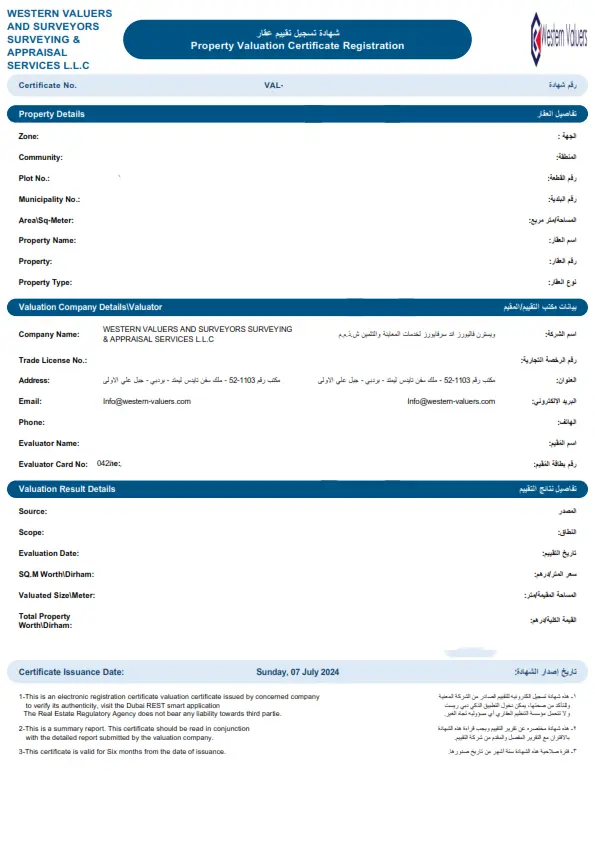
Dubai Land Department (DLD) Website: Search for “Approved Valuation Companies” on the DLD website https://dubailand.gov.ae/en/eservices/approved-valuation-companies/.RICS Website: Search for RICS-accredited valuation companies in the UAE through the RICS website (https://www.rics.org/).
Verifying the Valuation Certificate:
Once you receive a valuation certificate, verifying its legitimacy is crucial. Here’s what to check:
- Company Logo & Name: Ensure the logo and name on the certificate match those of the approved valuation company you engaged.
- Company Registration Number: Locate the company’s registration number on the certificate and verify it through the Dubai Land Department (DLD) website using their online service https://dubailand.gov.ae/en/eservices/valuation-certificate-verification-overview/.
- Certificate Validity: Check the certificate’s validity period. It should typically be valid for a certain timeframe, such as six months.
Request a call back.
Would you like to speak to one of our consultants over the phone?
Just submit your details and we’ll be in touch shortly.
By prioritizing an approved and accredited valuation company, you guarantee a reliable valuation, ensure Golden Visa application success, and secure peace of mind by mitigating risks. Let your property investment journey in the UAE begin with the right foundation – a trustworthy and accurate valuation certificate.
Understanding Property Valuation Certificates:
A property valuation certificate, issued by a licensed and accredited valuation company, provides an official estimate of a property’s market value. This unbiased assessment is crucial for various purposes in Dubai’s real estate landscape, including:
- Golden Visa Applications: As mentioned earlier, obtaining a Golden Visa through property investment requires a valuation certificate confirming the property’s value meets the minimum threshold (currently AED 2 million or more).
- Mortgages: When financing a property purchase, banks rely on valuation certificates to determine the loan amount they can offer.
- Taxation: Property valuations are used to calculate potential property taxes, such as the annual rental income tax.
- Investment Decisions: Accurate valuations empower investors to make informed decisions about buying, selling, or renting a property.
Why Choose an Accredited Valuation Company?
Using a reputable and accredited valuation company guarantees several benefits:
- Accuracy & Credibility: Accredited companies adhere to internationally recognized valuation standards, ensuring a reliable and unbiased estimate. This protects your investment and avoids discrepancies during Golden Visa applications or financial transactions.
- Regulatory Compliance: Dubai mandates property valuations for various purposes, including Golden Visas. Employing an unapproved company’s certificate could lead to delays or rejections in your application.
- Market Expertise: Accredited companies boast qualified valuers with extensive experience in the dynamic Dubai market. Their local knowledge ensures an accurate valuation reflecting current trends and specific to your property.
- Risk Mitigation: Engaging a non-accredited company risks an inaccurate valuation, potentially leading to overpaying for a property or undervaluing it and missing out on potential returns.
Dubai Golden Visa for property investment
Dubai Golden Visa Holders Fuel Property Market Boom: Spacious Living, High Yields & Strategic Investments
Dubai’s property market is experiencing a golden age, fueled in part by a surge in investment from professionals holding the emirate’s prestigious 10-year Golden Visa. This long-term residency permit unlocks a world of advantages, including freedom from employer sponsorship for visa renewal and the ability to stay outside the UAE for extended periods. This newfound stability and sense of security are prompting a shift in resident behavior. Previously, many Golden Visa holders were renters. Now, they’re transitioning into property owners, actively shaping Dubai’s future. This newfound confidence is reflected in their property choices, prioritizing spacious living areas with the potential for high rental yields.
Understanding how your property compares to similar units in the area can help you attract quality tenants and maximize your rental income. A thorough Rent Valuation Report takes into account both internal factors specific to your property and external market conditions that impact rental pricing dynamics. By leveraging this information, landlords can strategically position their properties within the market while ensuring fairness for all parties involved.
All About Property Valuation in Dubai
Dubai’s real estate market is as dynamic as the city itself. With its stunning skyline, luxurious properties, and a thriving economy, it attracts investors from around the globe. But before diving into this vibrant market, understanding property valuation in Dubai becomes crucial. Accurately assessing your property’s worth can make all the difference whether you’re looking to buy, sell or invest.
Knowing what drives property values in this bustling metropolis opens up a world of opportunities. From residential villas to commercial spaces, every type of property has unique factors that influence its valuation. Whether you are new to the market or an experienced investor seeking insights on how to navigate it effectively, getting familiar with property valuation is essential for making informed decisions.
Let’s explore everything you need to know about obtaining an accurate property valuation in Dubai!
All About Property Valuation in Dubai
Property valuation in Dubai is a critical process that determines the market value of real estate. This evaluation is essential for various reasons, including buying, selling, refinancing, or investing.
The valuation considers many aspects such as location, property type, and current market trends. In a city known for its rapid growth and fluctuating prices, these factors are crucial in establishing an accurate worth.
Additionally, property valuations help buyers make informed decisions by ensuring they do not overpay. Sellers benefit from understanding the fair market price to attract potential buyers effectively.
Dubai offers multiple avenues for obtaining property valuations—from professional appraisers to online tools designed to provide quick estimates. Each method has its advantages depending on your needs and situation. Understanding this landscape empowers you as a stakeholder in Dubai’s real estate market.
How to Get the Correct Valuation of Your Property in Dubai?
Getting the correct property valuation in Dubai requires a strategic approach. Start by gathering all relevant documents related to your property, such as title deeds and previous valuations.
Next, consider local market trends. Understanding current demand and supply dynamics provides insight into pricing. Analyzing comparable properties can also help set realistic expectations for your own.
Engaging with professional valuers is crucial. They possess expertise that can yield an accurate assessment based on intricate factors, including location and amenities.
Utilizing online valuation tools offers another layer of assistance. These platforms leverage data to give you a preliminary estimate before seeking formal evaluations.
Don’t hesitate to seek multiple opinions from various sources. This practice ensures you have a holistic view of your property’s worth in the competitive Dubai real estate market.
How to Get the Correct Valuation of Your Property in Dubai?
Getting the correct valuation of your property in Dubai involves several steps. First, consider hiring a licensed appraiser who understands the local market dynamics and regulations.
Research comparable properties in your area. Look at recent sales data to gauge what similar homes are selling for. This will give you a baseline for expectations.
Next, ensure that all property details are accurate. Factors such as size, condition, and amenities play a significant role in determining value.
Leverage technology by using online valuation tools available through real estate platforms. These can provide instant estimates based on current listings and sales trends.
Connect with real estate agents familiar with the Dubai market. Their insights can help refine your understanding of how various factors influence property values today.
Dubai Land Department (DLD) valuation
The Dubai Land Department (DLD) plays a crucial role in property valuation within the emirate. This government entity is responsible for maintaining transparency and accuracy in real estate transactions.
DLD provides a comprehensive valuation service that adheres to market standards. Their assessments are based on various factors, including location, property type, and current market trends. This ensures homeowners and investors receive reliable valuations.
Additionally, DLD’s online platforms allow users to access valuation reports easily. The process is straightforward, making it convenient for both buyers and sellers.
Moreover, using DLD’s services enhances credibility in any transaction. Having an official appraisal can significantly influence negotiations between parties involved in buying or selling properties.
Understanding the DLD valuation process is essential for anyone navigating Dubai’s dynamic real estate landscape.
What is Property valuation Online Tools
Property valuation online tools have revolutionized how buyers and sellers assess real estate in Dubai. These digital platforms provide quick estimates based on various data points.
Users can input essential information about their property, such as size, location, and amenities. The tool then analyzes comparable sales in the area to generate an estimated value. This instant feedback is invaluable for making informed decisions.
Many of these tools are user-friendly and accessible from any device with internet connectivity. They often incorporate advanced algorithms that take into account market trends and local demand.
While they offer a convenient starting point, it’s important to remember that online valuations may not capture every unique aspect of a property. For precise assessments, consulting with professionals remains key despite technological advancements.
Who can conduct property valuations in Dubai?
In Dubai, property valuations can be conducted by various professionals. Licensed valuers play a crucial role in this process. They possess the expertise and qualifications required to assess a property’s worth accurately.
Real estate agents often provide informal valuations based on market trends. While helpful, their assessments may lack the depth of an official valuation.
Banks and financial institutions also conduct valuations for mortgage purposes. Their appraisers ensure that properties meet lending criteria before approving loans.
Government agencies like the Dubai Land Department have trained personnel who carry out evaluations as well. Their insights are vital for regulatory compliance and taxation matters.
Specialized property valuation firms offer comprehensive services tailored to client needs. These experts utilize advanced tools and methodologies for precise assessments in line with current market conditions.
How to hire a Licensed Property Valuation Firm
Hiring a licensed property valuation firm is crucial for accurate assessments in Dubai. Start by researching firms that specialize in the local market. Look for those with positive reviews and testimonials.
Next, verify their credentials. Ensure they are registered with the Dubai Land Department (DLD). This guarantees compliance with local regulations.
Ask about their experience in your specific area or property type. A firm familiar with your neighborhood will provide more precise valuations.
Request quotes from multiple firms to compare services and fees. Be wary of unusually low prices; quality should be prioritized over cost.
Schedule initial consultations to gauge their professionalism and communication style. Trust your instincts—working with someone you feel comfortable communicating with can make a significant difference throughout the valuation process.
What factors influence property valuation in Dubai?
When it comes to property valuation in Dubai, several key factors come into play. Understanding these can significantly impact the accuracy of your property’s worth.
Location is paramount. Properties situated in prime areas with easy access to amenities and attractions usually command higher prices. The neighborhood’s reputation also plays a role; for example, properties near luxury developments or vibrant cultural hubs are often valued more highly.
The type of property matters too. Villas typically have different values compared to apartments or commercial spaces due to their size and desirability. Additionally, the condition and age of the property influence its market value; well-maintained homes tend to fetch better prices than those requiring extensive repairs.
Market trends cannot be ignored either. Fluctuations in demand and supply directly affect valuations. During peak seasons when buyers are eager, property values may rise accordingly.
Other aspects like economic conditions, interest rates, and government policies also factor into valuation assessments in Dubai’s dynamic real estate landscape. By staying informed about these elements, you can navigate property valuation more effectively and make sound investment choices that align with your goals.
Top 5 Factors Affecting Property Valuation in Dubai
Are you looking to invest in real estate in Dubai and unlock the hidden value of your property? Understanding the factors that affect property valuation in Dubai is crucial for making informed decisions. In this blog post, we will explore the top areas to invest in Dubai, accredited property valuation firms in the UAE, simple steps to maximize your property’s value, and the difference between a real estate agent and an accredited valuer. Stay tuned to discover how you can make the most out of your property investment journey!
Request a call back.
Would you like to speak to one of our consultants over the phone?
Just submit your details and we’ll be in touch shortly.
Top 5 Factors Affecting Property Valuation in Dubai
Are you looking to invest in property valuation in Dubai and unlock the hidden value of your property? Understanding the factors that affect property valuation is crucial for making informed decisions. In this blog post, we will explore the top areas to invest in Dubai, accredited property valuation firms in the UAE, simple steps to maximize your property’s value, and the difference between a real estate agent and an accredited valuer. Stay tuned to discover how you can make the most out of your property investment journey!
Top areas to invest in real estate in Dubai
Dubai offers a plethora of prime locations for real estate investment, each with its own unique appeal and potential for growth. The iconic Palm Jumeirah is a hotspot for luxury properties, boasting stunning waterfront views and upscale amenities. Downtown Dubai, home to the Burj Khalifa, is another popular choice known for its vibrant atmosphere and world-class shopping and dining options.
If you’re seeking a more serene environment, Emirates Hills provides exclusive villa living surrounded by lush greenery and golf courses. For those interested in upcoming areas with high growth potential, Dubai South near Al Maktoum International Airport is a promising option due to its proximity to major transportation hubs.
Whether you prefer luxury waterfront living or strategic investments in emerging neighborhoods, Dubai’s diverse real estate landscape caters to various investor preferences.
Property valuation accredited firms in UAE
Are you looking to get an accurate valuation of your property in the UAE? Look no further than accredited valuation firms that adhere to strict standards and regulations. These firms employ experienced professionals who have a deep understanding of the local real estate market dynamics. By choosing an accredited firm, you can ensure that your property valuation in Dubai is reliable and trustworthy.
Accredited valuation firms use advanced methodologies and tools to determine the true value of your property. They take into account various factors such as location, size, amenities, and market trends to provide you with a comprehensive valuation report. This report can be crucial when making important financial decisions related to your property.
Whether you are buying, selling, or refinancing a property in the UAE, partnering with an accredited valuation firm can give you peace of mind knowing that you are getting an accurate assessment of its worth. So, next time you need a property valuation in Dubai or any other emirate in the UAE, consider reaching out to these reputable firms for professional assistance.
3 Simple Steps to Unlock Thousands in Hidden Value During Your Property Valuation
Are you looking to maximize the value of your property during a valuation? Here are three simple steps to help you unlock hidden value and potentially increase your property’s worth.
Ensure that your property is well-maintained and in good condition. Address any minor repairs or cosmetic issues to present your property in its best light. A well-maintained home can leave a positive impression on valuers and potential buyers alike.
Gather all relevant documentation related to your property, such as renovation permits, floor plans, and any recent upgrades. Providing this information can give valuers a comprehensive understanding of the property’s history and improvements.
Consider investing in strategic renovations or upgrades that can add significant value to your property. Whether it’s updating the kitchen or enhancing curb appeal with landscaping, targeted investments can yield high returns during the valuation process.
Real Estate Agent Versus Accredited Valuer
When it comes to property valuation in Dubai, choosing between a real estate agent and an accredited valuer can make a significant difference. While real estate agents are experts in the local market trends and can provide valuable insights, accredited valuers bring a higher level of professionalism and expertise to the table.
When seeking an accurate property valuation in Dubai or anywhere else in the UAE, opting for an accredited valuer is recommended. Accredited valuers follow strict guidelines and standards set by regulatory bodies, ensuring that their valuation reports are reliable and trustworthy.
Here are a few key differences between real estate agents and accredited valuers that can help you make an informed decision:
- Education and Training
Real estate agents typically have a real estate license, which requires them to complete a basic training program and pass a licensing exam. This education is primarily focused on understanding the local market and sales techniques.
On the other hand, accredited valuers go through extensive education and training to obtain their accreditation. They must hold a degree in valuation or related fields and complete additional courses in valuation methods, ethics, and standards set by regulatory bodies.
2. Code of Ethics
Real estate agents are bound by ethical guidelines set by their respective professional bodies. However, these guidelines are not as strict as those followed by accredited valuers.
Accredited valuers must adhere to specific codes of conduct set by regulatory authorities such as the Royal Institution of Chartered Surveyors (RICS) or the Dubai Land Department (DLD). These codes ensure that they act with integrity, professionalism, and objectivity while providing property valuation services.
3. Valuation Methods
Real estate agents often use comparative market analysis (CMA) to determine a property’s value. This method involves comparing similar properties in the area to arrive at an estimated value.
Accredited valuers, on the other hand, use standardized valuation methods such as the cost approach, income approach, and sales comparison approach to determine a property’s value. These methods are more comprehensive and take into account various factors such as the property’s location, condition, and potential for income generation.
4. Valuation Reports
Real estate agents may provide a comparative market analysis report that outlines their estimated value of a property. These reports are generally used for marketing purposes and may not be as detailed or reliable as accredited valuers’ reports.
Accredited valuers provide comprehensive valuation reports that follow strict guidelines set by regulatory bodies. These reports include detailed information about the property, market analysis, valuation methods used, and a final estimated value.
5. Specialized Services
While real estate agents specialize in buying and selling properties, accredited valuers offer a range of specialized services such as mortgage valuation, insurance valuation, taxation valuation, and litigation support.
These services require in-depth knowledge of valuation principles and regulations, making it more suitable for accredited valuers who have received formal training in this field.
In conclusion, while real estate agents can provide valuable insights into the local market trends and help with buying or selling properties, accredited valuers bring a higher level of expertise and professionalism to property valuation services. Therefore, when seeking an accurate and reliable property valuation in Dubai or anywhere else in the UAE, it is recommended to opt for an accredited valuer.
10 Questions to Ask Your Property Valuer to Get the Most Accurate Appraisal
Are you looking to get the most accurate appraisal for your property in UAE? Property valuation is a crucial step whether you’re buying, selling, or refinancing. To ensure you get the best value for your property, asking the right questions to your property valuer is key. In this blog post, we’ll delve into 10 important questions that will help you navigate through the valuation process smoothly and effectively. Avoid common pitfalls and learn why having a reputable property valuer by your side can make all the difference!
Request a call back.
Would you like to speak to one of our consultants over the phone?
Just submit your details and we’ll be in touch shortly.
1. What qualifications do you hold?
It’s essential to ensure your property valuer is qualified and accredited. Look for certifications such as RICS or IVSC to guarantee expertise.
2. How do you stay updated on market trends?
A knowledgeable valuer keeps abreast of the latest industry developments, ensuring a comprehensive appraisal.
3. Can you provide references or past clients’ testimonials?
Hearing about others’ positive experiences can instill confidence in the valuer’s capabilities.
4. Do you have experience with properties similar to mine in UAE?
Local knowledge is key for an accurate valuation tailored to your specific location.
5. What methodology will you use for the appraisal?
Understanding the process helps set expectations and ensures transparency throughout.
6. Are there any factors that could impact the valuation outcome?
Discussing potential influences upfront can prevent surprises later on.
7. Is negotiation possible if I disagree with the final appraisal value?
Clarifying this beforehand can save time and stress during disagreements.
8. How long does a typical property valuation take?
Setting realistic timelines is crucial for planning purposes and managing expectations effectively.
9. Will I receive a detailed valuation report at the end of the process?
Having a thorough report provides clarity on how the value was determined.
10.What sets your company apart from other property valuation firms in UAE?
Understanding what makes them unique can help differentiate between various service providers in the market.
3 Mistakes Homeowners Make During Property Valuation (Don’t Be One of Them!)
When it comes to property valuation, homeowners can sometimes fall into common pitfalls that could affect the accuracy of their appraisal. One mistake is not providing enough information to the valuer – be sure to share any renovations or upgrades you’ve made. Another misstep is letting emotions cloud judgment; remember, the value is based on objective factors. Overlooking comparable properties in your area can lead to an inaccurate appraisal – make sure your valuer considers all relevant data before finalizing the report. By avoiding these mistakes, you can ensure a more reliable and precise property valuation for your home.
The Importance of a Property Valuation
Property valuation is a crucial step in the real estate process that shouldn’t be overlooked. It provides you with an accurate assessment of your property’s worth, which is essential whether you are buying, selling, or refinancing. By knowing the true value of your property, you can make informed decisions and avoid potential financial pitfalls.
A property valuation helps ensure that you are not overpaying for a property or selling it below its market value. It also provides transparency and credibility in transactions by establishing a fair price based on objective criteria. Whether you’re a homeowner looking to sell or an investor assessing potential properties, having a professional valuation done can save you from costly mistakes down the line.
In addition to determining the market value of your property, a valuation report can also help with insurance purposes, tax assessments, and estate planning. Having an up-to-date valuation gives you peace of mind knowing that your assets are accurately valued and protected.
Why It’s Important to Ask the Right Questions
When it comes to property valuation, asking the right questions is crucial. By posing thoughtful inquiries to your property valuer, you can gain valuable insights into how they arrive at their appraisal. Understanding their methodology and process can help you feel more confident in the final value determined for your property.
Asking targeted questions also allows you to gauge the expertise and experience of the valuer. Their responses can shed light on whether they have a deep understanding of local market trends and factors that may impact your property’s value. This local knowledge is vital in ensuring an accurate appraisal that reflects current market conditions.
Moreover, by asking specific questions about how various factors are taken into account during valuation, you can ensure that all relevant aspects of your property are considered. Factors such as location, size, condition, and recent sales data play a significant role in determining the value of a property.
Arming yourself with the right questions will not only lead to a more accurate appraisal but also provide you with peace of mind knowing that your property has been thoroughly assessed by a knowledgeable professional.
What Qualifications Should A Property Valuer Have?
When it comes to property valuation, the qualifications of the valuer play a crucial role in ensuring accuracy and reliability. A qualified property valuer should have a relevant degree or certification in the field of real estate valuation. This could include a Bachelor’s degree in Valuation and Property Management or a similar discipline.
Additionally, professional accreditation from recognized institutions such as RICS (Royal Institution of Chartered Surveyors) or AIQS (Australian Institute of Quantity Surveyors) is essential. These accreditations demonstrate that the valuer has met certain standards of education and experience in property valuation.
Experience is also key when assessing the qualifications of a property valuer. Look for someone with years of experience specifically in valuing properties similar to yours in terms of type, location, and size. This hands-on experience can provide valuable insights into market trends and factors affecting property values.
In addition to formal education and accreditation, ongoing professional development is important for property valuers to stay up-to-date with industry changes and best practices. By ensuring that your chosen valuer possesses these qualifications, you can have confidence in their ability to provide an accurate appraisal for your property.
Does the Valuer Have Local Knowledge and Experience?
When seeking a property valuation, one crucial aspect to consider is whether the valuer possesses local knowledge and experience. This expertise can greatly impact the accuracy of the appraisal they provide for your property. A valuer with local knowledge understands the intricacies of the area, such as market trends, neighborhood dynamics, and upcoming developments that could affect property values.
Experience in valuing properties within a specific location allows them to make more informed decisions when assessing your property’s worth. They may have insights into unique factors that could influence its value, ensuring a more precise appraisal. Additionally, their familiarity with local regulations and guidelines can help navigate any potential challenges during the valuation process.
Choosing a valuer with local knowledge and experience can ultimately lead to a more reliable valuation report for your property. It’s essential to inquire about this background before engaging their services to ensure you receive an accurate assessment tailored to your specific location.
How Do They Determine the Value of a Property?
Property valuers use a variety of methods to determine the value of a property. One common approach is the comparative market analysis, where they compare your property to similar ones that have recently sold in the area. This helps them gauge market trends and make an accurate assessment.
Another method is the income approach, which is often used for commercial properties. Valuers consider factors like rental income and expenses to estimate how much revenue the property can generate.
The cost approach involves evaluating how much it would cost to rebuild or replace the property if it were destroyed. Valuers take into account factors like depreciation and improvements when using this method.
Property valuation is a complex process that requires expertise and experience. By understanding how valuers determine value, homeowners can gain insight into their property’s worth.
What Factors Can Affect the Appraisal?
When it comes to property valuation, there are several factors that can sway the final appraisal amount.
One key factor is the location of the property. Properties in prime locations tend to have higher values compared to those in less desirable areas.
The size and condition of the property also play a significant role in determining its value. A well-maintained and spacious property will likely be appraised higher than one that is smaller or in need of repairs.
Market trends and economic conditions can also impact property valuations. In a booming real estate market, properties may be valued higher due to increased demand.
Other factors such as amenities, nearby infrastructure, and zoning regulations can all influence the appraisal outcome. It’s essential for homeowners to be aware of these factors when getting their property appraised for an accurate valuation result.
Is There Any Room for Negotiation or Disagreement in the Final Appraisal?
When it comes to the final appraisal of your property, it’s essential to understand if there is any room for negotiation or disagreement. The valuation process can be subjective, and different valuers may have varying opinions on the value of a property.
During the appraisal, you can discuss any factors that you believe may affect the value of your property. This could include recent renovations, unique features, or local market trends that might not have been initially considered by the valuer.
It’s important to approach any negotiations or disagreements with an open mind and be willing to provide evidence to support your perspective. Remember that valuers are professionals trained in determining property values based on industry standards and guidelines.
Having a transparent conversation with your valuer about any concerns or differing opinions can help ensure a fair and accurate appraisal result for your property.
How Long Does a Property Valuation
After considering all the essential questions to ask your property valuer and understanding the common mistakes homeowners make during property valuation, it is evident that a thorough and accurate appraisal is crucial for various real estate transactions. The importance of engaging with a qualified and experienced property valuer cannot be overstated.
By ensuring that you inquire about qualifications, local knowledge, valuation methods, potential factors influencing the appraisal, room for negotiation or disagreement in the final report, and the timeline for completion, you are setting yourself up for success in determining the true value of your property.
Remember that a reliable property valuation tool can provide valuable insights into market trends and help you make informed decisions regarding your real estate investments. Whether you require a valuation report for regulatory compliance or simply to understand the worth of your property better, choosing the right property valuer is key. Trust only reputable firms like RERA-accredited companies to handle such critical assessments with professionalism and accuracy.
In conclusion: Be proactive in seeking out trustworthy professionals who prioritize transparency and precision in their valuation services. By asking pertinent questions and staying involved throughout the process, you can ensure that you receive an accurate appraisal that reflects the true value of your property in today’s market.
Property Valuation Companies in Dubai: Essential for Financial Reporting
Property valuation companies in Dubai provide professional valuations of real estate assets, ensuring accurate financial reporting. These valuations are crucial for various purposes, including loan applications, mergers and acquisitions, and tax assessments.
The Role of Property Valuations in Financial Reporting
Property valuations play a vital role in financial reporting by establishing the fair market value of real estate assets. This information is used by companies to:
- Calculate net worth and solvency
- Determine collateral value for loans
- Allocate costs and expenses
- Comply with accounting standards
Request a call back.
Would you like to speak to one of our consultants over the phone?
Just submit your details and we’ll be in touch shortly.
Benefits of Hiring Property Valuation Companies in Dubai
Hiring professional property valuation companies in Dubai offers several benefits:
- Accuracy and Reliability: Companies utilize standardized methodologies and have access to market data, ensuring accurate valuations.
- Expertise and Experience: Valuers have specialized knowledge and experience in the Dubai real estate market, providing valuable insights.
- Compliance with Standards: Valuations adhere to International Valuation Standards (IVS) and local regulations, ensuring credibility and acceptance by financial institutions and regulators.
Selecting the Right Property Valuation Company in Dubai
Choosing the right property valuation company in Dubai is crucial. Consider the following factors:
- Reputation and Experience: Research companies with a proven track record and experience in Dubai.
- Qualifications and Certifications: Ensure valuers hold recognized qualifications and certifications, such as the Royal Institution of Chartered Surveyors (RICS).
- Market Knowledge: Opt for companies with a deep understanding of the local real estate market and its dynamics.
Property valuation companies in Dubai play a pivotal role in financial reporting, providing accurate valuations that support informed decision-making. By hiring reputable and experienced companies, businesses can ensure the reliability and credibility of their financial statements.
Expert Services
Introduction to Our Expert Property Valuation Services in Dubai

Commercial Valuations
Accurate and reliable commercial valuations that comply with International Valuation Standards (IVS) and local regulations.

Residential Valuations
Accurate and reliable residential valuations that comply with International Valuation Standards (IVS) and local regulations.

Hospitality and Leisure Valuations
Accurate and reliable hospitality and leisure valuations that comply with International Valuation Standards (IVS) and local regulations.

Retail Valuations
Accurate and reliable retail valuations that comply with International Valuation Standards (IVS) and local regulations.
Property Value in the UAE Market
Maximizing Your Investment: How to Increase Your Property Value in the UAE Market
Property value for homeowner, investor, or developer is always a top priority. In this blog post, we’ll share valuable tips and strategies on how to maximize your investment and get the most out of yo
Are you looking to make the most out of your property investment in the UAE market? Look no further! In this blog post, we will give you practical and effective tips on how to maximize your property value and ensure a substantial return on your investment. From strategic upgrades to smart marketing tactics, we have all the insider secrets you need to succeed in the competitive real estate market of the UAE. Read on to learn how you can boost your property’s value and unlock its full potential!
Request a call back.
Would you like to speak to one of our consultants over the phone?
Just submit your details and we’ll be in touch shortly.
UAE Property Value Market
The real estate market in the United Arab Emirates (UAE) has been on a steady rise in recent years, making it a lucrative investment opportunity for both local and foreign investors. With its stable economy, wealth of natural resources, and strategic location between Europe and Asia, the UAE has become an attractive destination for property buyers.
The country’s cosmopolitan cities such as Dubai and Abu Dhabi offer a diverse range of properties – from luxurious villas and high-rise apartments to commercial spaces and hotel properties. The increasing demand for these properties is driven by factors such as economic growth, population growth, infrastructure developments, and government initiatives that promote foreign investment.
One of the key factors that make the Property Value in the UAE Market so appealing is its tax-free environment. Unlike many other countries where buyers have to pay hefty taxes when purchasing or selling a property, there are no capital gains or income taxes in the UAE. This makes it easier for investors to maximize their returns on investment without worrying about additional expenses.
Another factor contributing to the growth of the UAE property market is the government’s efforts towards creating a business-friendly environment. The introduction of various policies and regulations has made it easier for foreigners to own properties in designated areas within freehold zones in Dubai and Abu Dhabi. These zones allow expats to fully own property without any restrictions or limitations.
In addition, rental yields play a major role in attracting investors to the UAE market. Due to high demand from a constantly growing population and limited supply of rental units, rental prices have remained consistently high over the years, providing stable income streams for landlords.
However, like any other real estate market, investing in UAE properties also comes with its risks. Market fluctuations due to global economic conditions can impact property prices as well as oversupply or undersupply situations. It is important for investors to thoroughly research before making any investments and keep track of market trends.
Additionally, knowing how to increase the value of your property in the UAE market can also play a crucial role in maximizing your investment returns. In the following sections, we will discuss some effective strategies on how to increase your property’s value in the UAE market and make the most out of your investment.
Understanding Property Valuations: Factors and Trends in the UAE
Understanding Property Valuations: Factors and Trends in the UAE
Property valuation is a crucial aspect of real estate investment, especially in a dynamic market like the United Arab Emirates (UAE). It involves determining the fair market value of a property based on various factors and trends that impact its worth. As an investor, understanding property valuations can help you make informed decisions when it comes to maximizing your investment and increasing your property’s value in the UAE market.
Factors Affecting Property Valuation
Several factors can influence the valuation of a property in the UAE. These include location, size, condition, amenities, and demand. The location of a property is one of the significant drivers of its value as different areas within the UAE have varying levels of demand and desirability. For instance, properties located near commercial hubs or tourist attractions tend to command higher values than those in remote areas.
The size of a property also plays a crucial role in its valuation. In general, larger properties have higher values than smaller ones due to their potential for more significant returns on investment. Additionally, properties with more living spaces such as bedrooms and bathrooms are highly sought after by buyers or renters, thus driving up their values.
Another critical factor is the condition of the property. A well-maintained property will typically have a higher value than one that requires extensive repairs or renovations. Properties with modern amenities such as swimming pools, gyms, and security features are also valued higher compared to those without these amenities.
Trends Influencing Property Valuation
Apart from these factors, there are several key trends that affect property valuations in the UAE. One notable trend is towards sustainable living and environmentally-friendly buildings. With an increasing focus on sustainability worldwide and initiatives like Dubai’s Sustainable City project, eco-friendly properties are gaining popularity and commanding higher prices.
Another trend is rising interest from foreign investors looking to establish residency by purchasing properties in freehold areas like Dubai and Abu Dhabi. This has led to an increase in demand for properties in these areas, driving up their values. Additionally, as the UAE prepares to host the Expo 2020, there has been a surge in development projects, leading to an influx of new properties in the market and influencing property valuations.
Understanding the various factors and trends that affect property valuations in the UAE is crucial for maximizing your investment’s potential. Keeping abreast of current market conditions can help you make sound decisions when buying or selling a property, ultimately increasing its value. As with any investment, proper research and knowledge are vital for success, and this holds true for real estate investment in the UAE.
The Importance of Property Valuation: Impact on Investment and Golden Visa Eligibility
Property valuation is a crucial aspect of real estate investment, especially in the UAE market. It refers to the process of determining the current market value of a property based on various factors such as location, size, condition, and demand. This evaluation not only helps investors understand their property’s worth but also has a significant impact on their potential income and eligibility for a golden visa.
Investing in real estate is one of the most lucrative options in the UAE market, with increasing demand for commercial and residential properties due to its growing economy and attractive tax benefits. However, to maximize your return on investment (ROI) in this highly competitive market, it is essential to have an accurate property valuation.
Accurate property valuation enables investors to make informed decisions about buying or selling a property by providing them with an understanding of its true worth. A higher valuation means that you can potentially make more profit when selling or renting out the property.
Moreover, having a favorable property valuation is crucial for eligibility for a golden visa – a permanent residency visa granted to investors who meet certain criteria set by the government. One requirement for this visa is owning properties worth at least 1 million dirhams. Therefore, knowing your property’s accurate value not only helps increase your chances of securing this visa but also opens doors for future investments.
Several other factors make it essential to consider regular property valuations when investing in the UAE market. The dynamic nature of this market means that prices can fluctuate rapidly based on supply and demand dynamics and other external factors like economic changes or infrastructure developments.
Hence, getting timely updates on your property’s value can help you stay aware of any price changes and adjust your investment strategies accordingly. For instance, if you notice your rental income decreasing due to lower market demand in an area where you own multiple properties, having knowledge about their accurate values will help you decide whether it’s better to sell or hold onto them.
Conducting property valuations regularly is crucial for any real estate investor in the UAE. It not only enables you to have a better understanding of your property’s worth and make informed decisions but also has a significant impact on your potential ROI and eligibility for golden visas. Therefore, it is wise to seek professional help from licensed valuation experts who can provide accurate and up-to-date market value assessments for your properties.
Property valuation is a crucial aspect of real estate investment, especially in the highly competitive market of the United Arab Emirates (UAE). It not only determines the current worth of a property but also has a significant impact on its potential for future growth and profitability. Moreover, accurate property valuation is essential for investors looking to apply for a golden visa, as it is one of the key eligibility criteria for this coveted residency program.
Investment decisions are heavily influenced by property valuation as it provides an objective assessment of a property’s market value. A thorough valuation process takes into account various factors such as location, size, condition, and amenities offered by the property. This information helps investors make informed decisions about purchasing or selling their properties. For example, if a property is undervalued, it can be an excellent opportunity for investors to purchase it at a lower price and sell it later at a higher rate when its value increases.
Moreover, accurate property valuations also play a critical role in securing financing from banks or other financial institutions. Lenders often rely on independent valuations to assess the risk associated with providing loans against properties. A favorable valuation report can result in easier access to credit facilities at competitive interest rates and potentially increase an investor’s return on investment.
In addition to its impact on investments, property valuations are also essential for individuals seeking eligibility for the UAE’s Golden Visa program. The UAE introduced this initiative to attract foreign investors and entrepreneurs by offering them long-term residency visas based on specific investment criteria. As per the guidelines set by authorities, applicants must have assets valued at least 5 million dirhams or more to qualify for this visa scheme. Therefore, accurate valuations carried out by accredited firms play an integral role in determining an applicant’s eligibility.
Furthermore, regular revaluation of properties can help investors keep track of their appreciation or depreciation over time. By understanding how their assets’ values change over time allows them to strategize and make necessary adjustments to maximize their returns. For instance, if the market is experiencing a downturn, an investor can use revaluation reports to take proactive measures such as renovating or upgrading the property to increase its value.
Property valuation is not only crucial for determining the current worth of a property but also has significant impacts on investments and eligibility for residency programs like the UAE’s Golden Visa. It provides investors with vital information to make informed decisions and helps them stay updated about their assets’ market value, allowing them to maximize their returns. Therefore, it is essential for investors in the UAE real estate market to prioritize obtaining accurate and timely valuations from reputable firms.
The Importance of Property Valuation: Impact on Investment and Golden Visa Eligibility
Property valuation is essential for both investors and potential buyers in the UAE market. It is a process that determines the fair market value of a property, taking into account various factors such as location, size, amenities, and market trends. In this section, we will discuss why property valuation is crucial for investment purposes and how it affects eligibility for the golden visa program.
When it comes to investing in real estate, knowing the accurate value of a property is vital. A thorough property valuation helps investors make informed decisions about which properties to invest in and at what price. This information enables them to negotiate better deals with sellers or developers and avoid overpaying for a property.
Moreover, an accurate property valuation also ensures that investors receive proper returns on their investments. It can prevent potential losses by identifying any underlying issues with the property or its surroundings that may affect its value in the long run. This knowledge allows investors to strategize accordingly and maximize their profits from rental income or future resale.
Furthermore, having a recent property valuation report can significantly impact eligibility for the UAE’s golden visa program. The golden visa offers foreign investors long-term residency in the country when they invest certain amounts of money in specific sectors, including real estate. For instance, investing at least AED 5 million ($1.36 million) in residential properties can qualify an individual for a five-year renewable residency permit.
However, this investment must be made on a freehold basis (full ownership) rather than just leasehold (renting). Therefore, knowing the actual value of a property through proper valuation is critical as it confirms if one meets these minimum requirements set by the government.
In addition to financial gains from investments and visa eligibility factors, there are other benefits of getting your property valued regularly too. An up-to-date valuation report adds credibility to your investment portfolio by showcasing how much wealth you own in the form of real estate. It also helps with financial planning and decision-making as you have a more precise understanding of your asset’s value.
Property valuation is crucial for making sound investment decisions and ensuring eligibility for the golden visa program in the UAE. It provides investors with critical information to maximize their profits and mitigate risks, as well as presenting them with an opportunity for long-term residency in this growing market. Thus, it is essential to get your properties assessed regularly by experts to keep up with changing market conditions and make informed investment choices.
Tips for Increasing Your Property Value in Dubai and Abu Dhabi
As one of the most sought-after real estate markets in the world, Dubai and Abu Dhabi offer a plethora of investment opportunities for property owners. However, to truly maximize your return on investment, it is essential to increase the value of your property. Here are some tips for increasing your property value in Dubai and Abu Dhabi.
1. Maintain Your Property Regularly:
One of the easiest ways to increase the value of your property is by keeping it well-maintained. Consider hiring professional services for regular cleaning, repairs, and upkeep of your property. This will not only enhance its aesthetic appeal but also prevent any potential damages that could decrease its value over time.
2. Focus on Curb Appeal:
First impressions matter when it comes to selling or renting out a property. Therefore, investing in improving the curb appeal of your property can greatly impact its value. Simple improvements such as adding a fresh coat of paint, landscaping the front yard, or updating the exterior fixtures can go a long way in making your property more attractive.
3. Renovate Smartly:
When considering renovations to increase your property’s value, it is important to choose wisely and prioritize areas that yield higher returns in terms of resale value. For example, upgrading kitchen appliances or adding an extra bedroom generally tend to add more value than expensive bathroom renovations.
4.. Include Modern Amenities:
Dubai and Abu Dhabi are known for their luxurious lifestyle and high-end amenities have become a necessity for potential buyers/tenants. Investing in modern features like smart home technology or energy-efficient appliances can significantly improve the functionality and attractiveness of your property.
5.. Know Your Market:
Understanding the current market trends and preferences can help you make informed decisions about how best to increase your property’s value. Conduct research on similar properties in the same area and see what features they offer that have resulted in increased values.
6.. Consider Professional Staging:
Staging refers to preparing a space for sale or rent by showcasing its best features through carefully curated furniture and décor. This can help potential buyers envision themselves living in the space and increase its perceived value.
Increasing your property valuation in dubai and Abu Dhabi requires a combination of regular maintenance, strategic investments, and knowledge of the market. By following these tips, you can maximize your investment and reap the benefits in this highly competitive real estate market.
Utilizing RERA Property Regulations to Maximize Investment Returns
Utilizing RERA Property Regulations to Maximize Investment Returns
Investing in the real estate market can be a profitable endeavor, especially in a thriving market like the UAE. However, like any other investment, it comes with its own set of risks and challenges. To ensure success and maximum returns on your property investment, it is important to understand and utilize the regulations set by the Real Estate Regulatory Agency (RERA).
Established in 2007, RERA is responsible for regulating and supervising the Dubai real estate market. Their main objective is to protect the rights of investors, buyers, landlords, and developers while promoting transparency and sustainability in the industry.
One of RERA’s regulation that investors should pay close attention to is their strict guidelines on off-plan properties. These are properties that are still under construction or have not yet been completed. As per RERA rules, developers are required to register all off-plan projects with them and obtain necessary permits before selling units.
As an investor, it is crucial to only invest in projects that are registered with RERA as this reduces the risk of investing in illegal or fraudulent developments. Additionally, purchasing an off-plan property from a RERA-approved developer also provides protection against delays or breaches in contract terms.
Another important factor regulated by RERA that affects investment returns is rental agreements. According to their guidelines, landlords must register any tenancy contract with Ejari (the government’s online registration system) within 10 days from its signing date. Failure to do so may result in penalties for both parties involved.
In addition to registration requirements, rental disputes between tenants and landlords can also be settled through RERA’s Rental Disputes Center (RDC). This provides a fair legal process for both parties involved in case of unresolved disagreements over rent increases or maintenance issues.
Aside from these regulations directly related to investments, RERA also plays a significant role in ensuring sustainable growth and development of the real estate market. Their strict guidelines on project quality and design, as well as regular audits of construction projects, contribute to maintaining high standards in the industry.
Leveraging RERA’s regulations can greatly benefit property investors in maximizing their returns. From providing protection against illegal developments and rental disputes to ensuring sustainable growth, RERA’s regulations create a favorable environment for investment in the UAE real estate market. As an investor, it is crucial to stay updated and utilize these regulations to your advantage for a successful and profitable investment journey.
Expert Advice: Insights from Real Estate Professionals in the UAE
Conclusion: Key Takeaways for Maximizing Your Investment in the UAE Market
Conclusion: Key Takeaways for Maximizing Your Investment in the UAE Market
Investing in the UAE property market can be a lucrative opportunity with the proper strategies and approach. We have discussed several key steps that can help you maximize your investment and increase your property value in this competitive market.
Firstly, it is important to research and thoroughly understand the current market trends and demands. This will give you a better understanding of what type of properties are in demand, which locations are popular, and what features buyers are looking for. By doing so, you can make informed decisions about where to invest your money and how to tailor your property to attract potential buyers.
Secondly, always keep in mind the importance of location when it comes to real estate investments. The UAE is known for its prime locations such as Dubai Marina, Downtown Dubai, or Palm Jumeirah, which offer high rental returns and appreciation rates. Therefore, choosing a desirable location for your investment property is crucial.
Thirdly, focus on curb appeal as it plays an essential role in attracting potential buyers. Make sure your property has a well-maintained exterior that creates a positive first impression. This includes landscaping the garden or balcony area and keeping the building’s facade clean and appealing.
Next, don’t underestimate the power of renovations or upgrades for increasing your property’s value. Simple updates such as modernizing kitchen appliances or adding stylish lighting fixtures can significantly impact the attractiveness of your property to potential buyers.
Furthermore, offering additional amenities like a swimming pool or gym facilities within a residential development also adds value to your investment and makes it stand out from other options on the market.
Additionally, hiring professional home staging services can go a long way in maximizing your property’s appeal. With their expertise in interior design and décor placement techniques, they can transform an average-looking space into an aesthetically pleasing one that attracts buyers’ attention.
Staying updated on market trends, changes in regulations, and economic factors can also help you make strategic decisions and stay ahead in the competitive property market.
By following these key takeaways, you can increase your investment’s potential for success in the UAE real estate market. It requires patience, research, and effort but investing in the right location, maintaining curb appeal, upgrading your property, offering additional amenities and professional staging services are all necessary steps towards maximizing your investment opportunities. With a well-thought-out plan and implementation of these strategies, you can reap the benefits of a thriving real estate market in the UAE.
Get in Touch
Get the latest valuation insights, market updates, and expert analysis delivered to your inbox.
Get in Touch
Get the latest valuation insights, market updates, and expert analysis delivered to your inbox.